WHERE IT ALL BEGAN

Gravel roads, soybean fields, cornfields, small towns, friendly neighbors, and tractors—that pretty accurately describes the world I grew up in.
I was raised on a farm in Iowa, the youngest of four kids and the only girl. Yes, before anyone asks, there’s a pretty good chance I was a little spoiled.
The older I get—and the more I hear other people talk about their childhoods—the more I realize just how lucky I was.


Life wasn’t perfect, and it certainly wasn’t always easy. We had hard times just like every family does. We didn’t have fancy cars or a fancy house. We weren’t rich, but we weren’t poor. What I did have was something I appreciate even more now than I probably did then: consistency. I knew I was loved. I knew my family was there for me. I knew they wanted the best for me.There were always clothes on our backs, food on the table, plenty of laughter, and a family that supported one another. Looking back, I really couldn’t have asked for anything better.
When it came to knowing much about the world beyond those gravel roads and cornfields? Not so much. My world was pretty small—and at the time, I didn’t really know that it was.
Then, when I was nineteen, something happened that would change the way I looked at the world.
I went to Germany.
A LITTLE SCHWEINFURT HISTORY
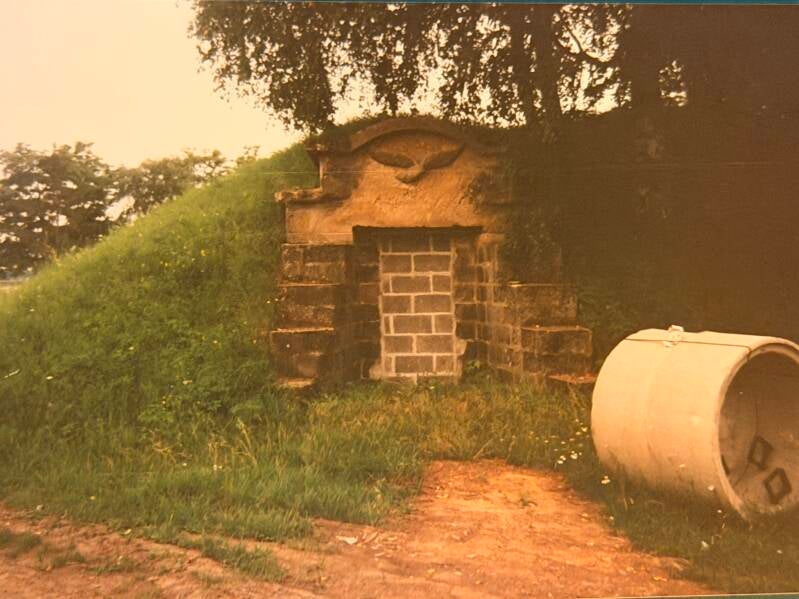
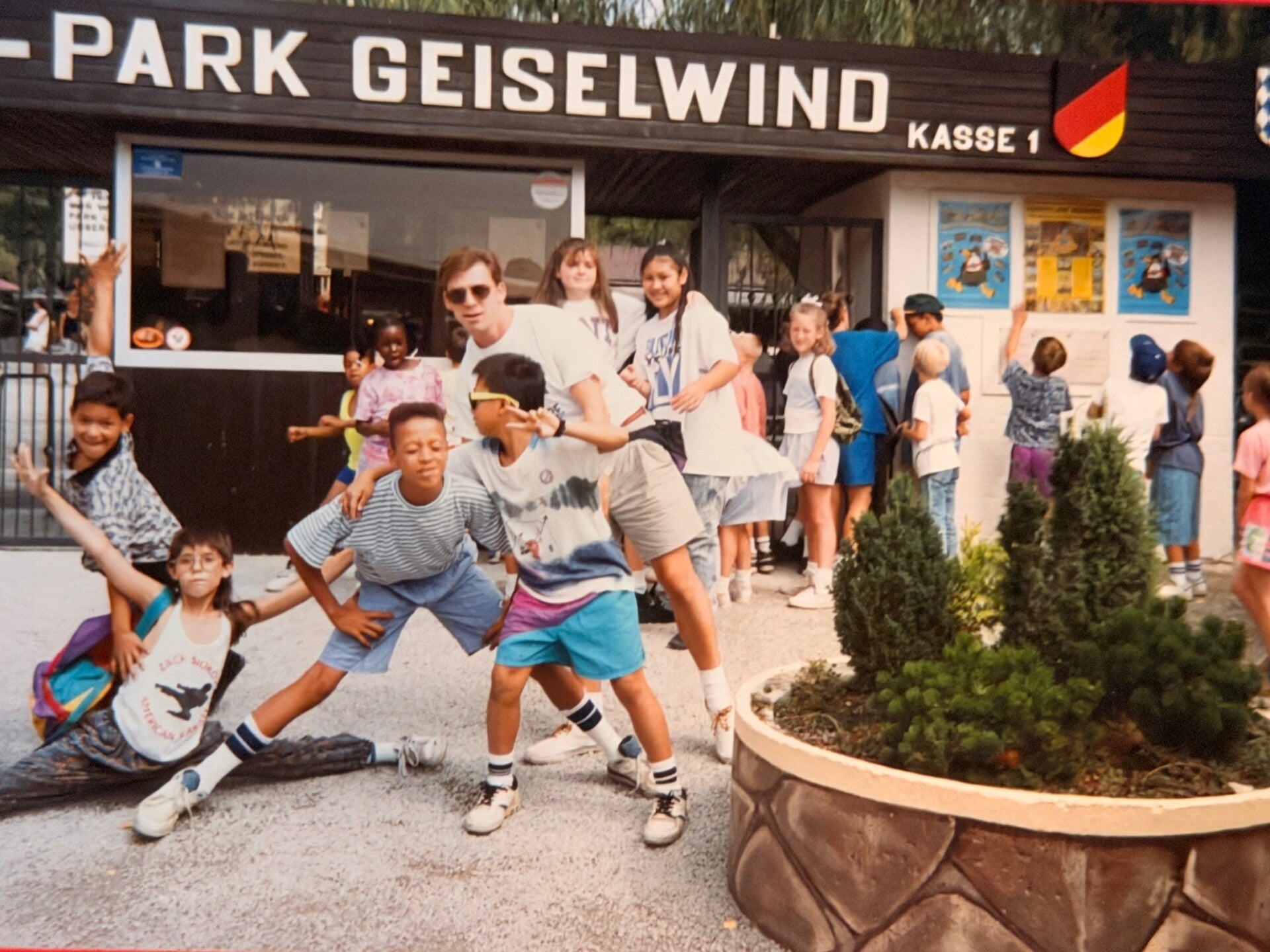
The places where I lived and worked had a history I never expected. Schweinfurt’s ball-bearing industry made the city strategically important during WWII, resulting in major Allied bombing raids. Conn and Ledward had originally been German military installations before later becoming U.S. Army posts. Even decades later, reminders of that history were still visible. Some of the buildings had German signs, markings, and emblems—a pretty incredible thing for a nineteen-year-old Iowa girl to see every day.
AND SUDDENLY, THE WORLD GOT A LOT BIGGER
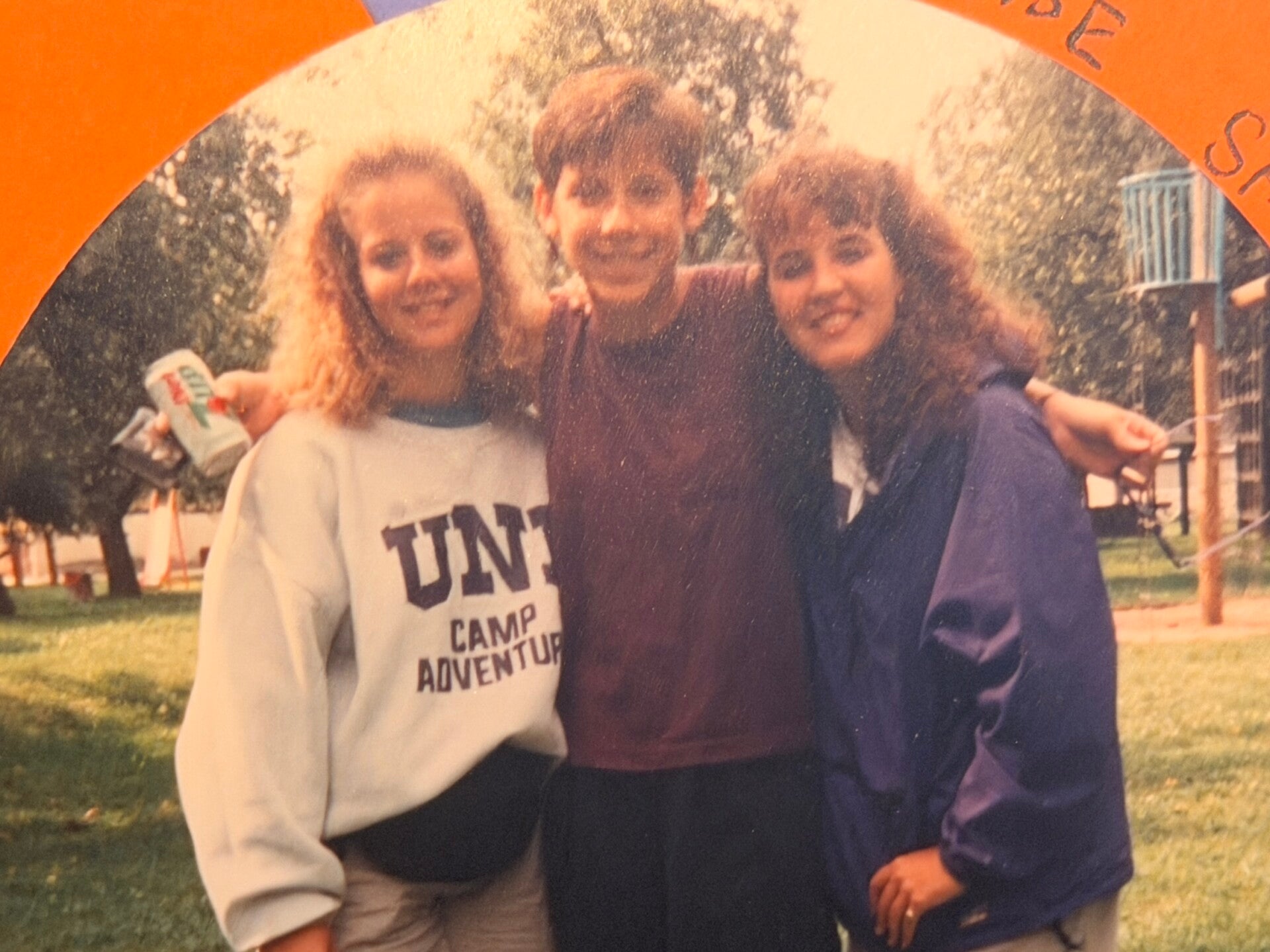
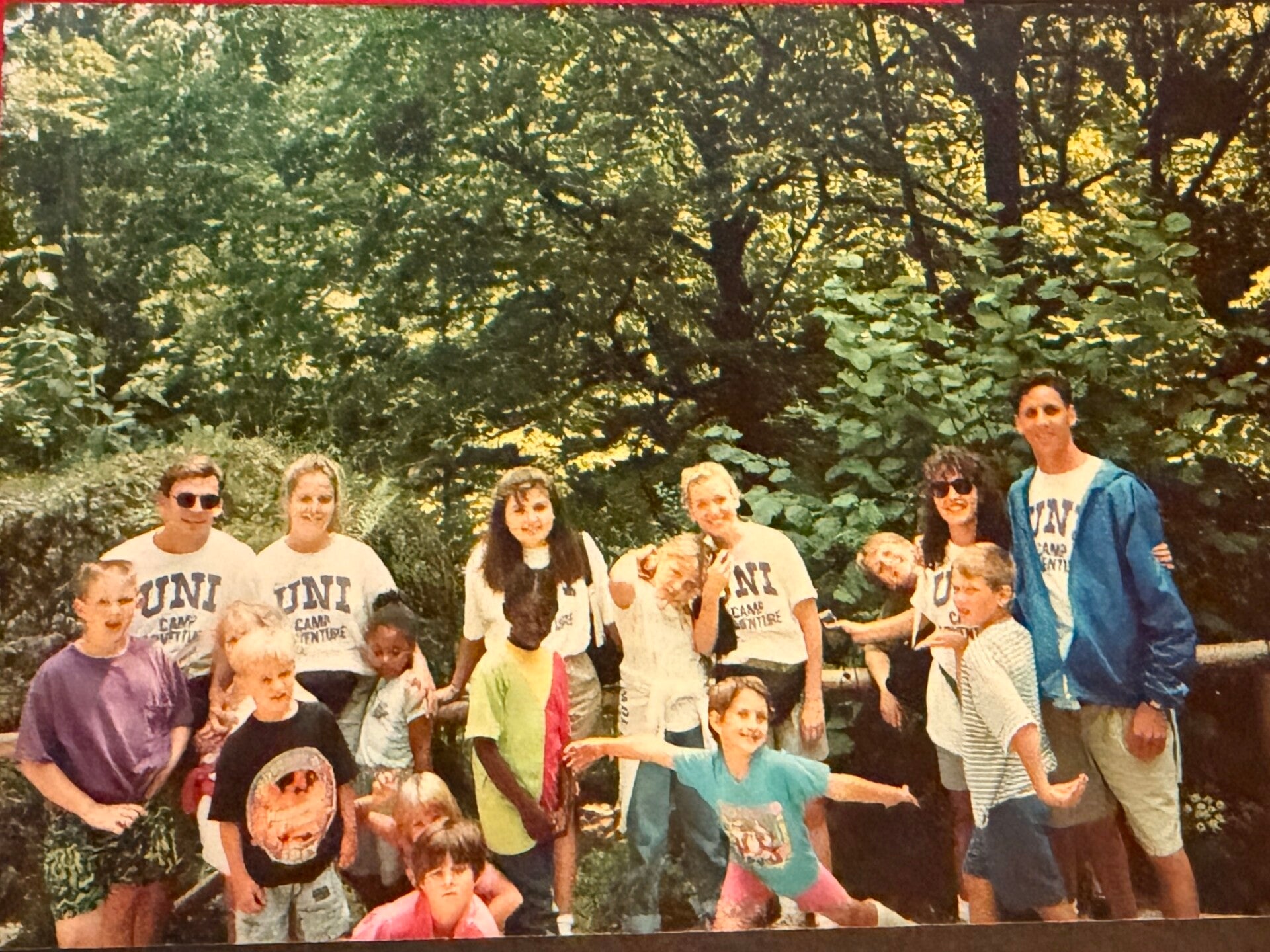
At nineteen, I was studying at the University of Northern Iowa—Go Panthers!—when a new program out of the University of Oregon came to UNI called Camp Adventure.
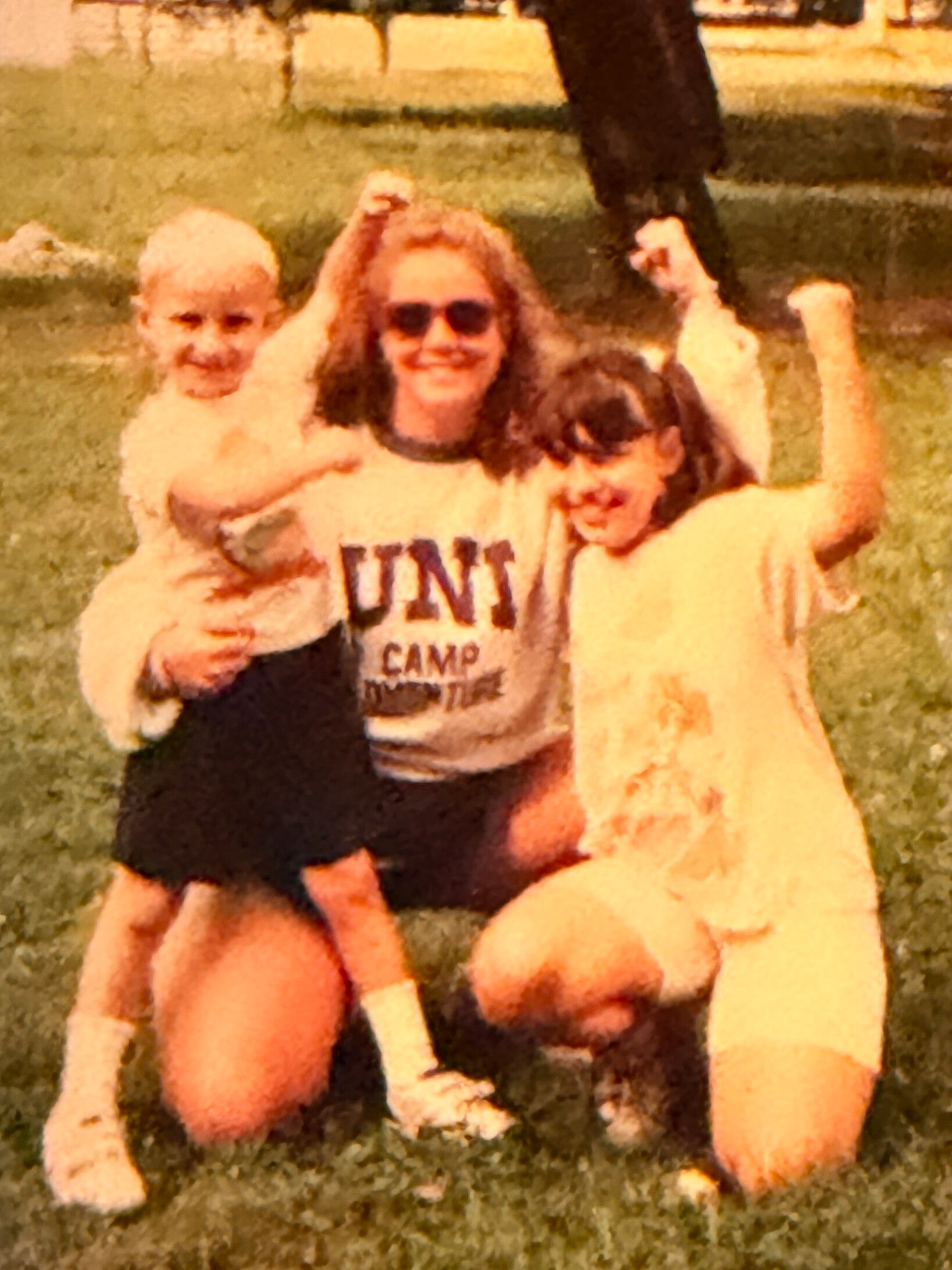
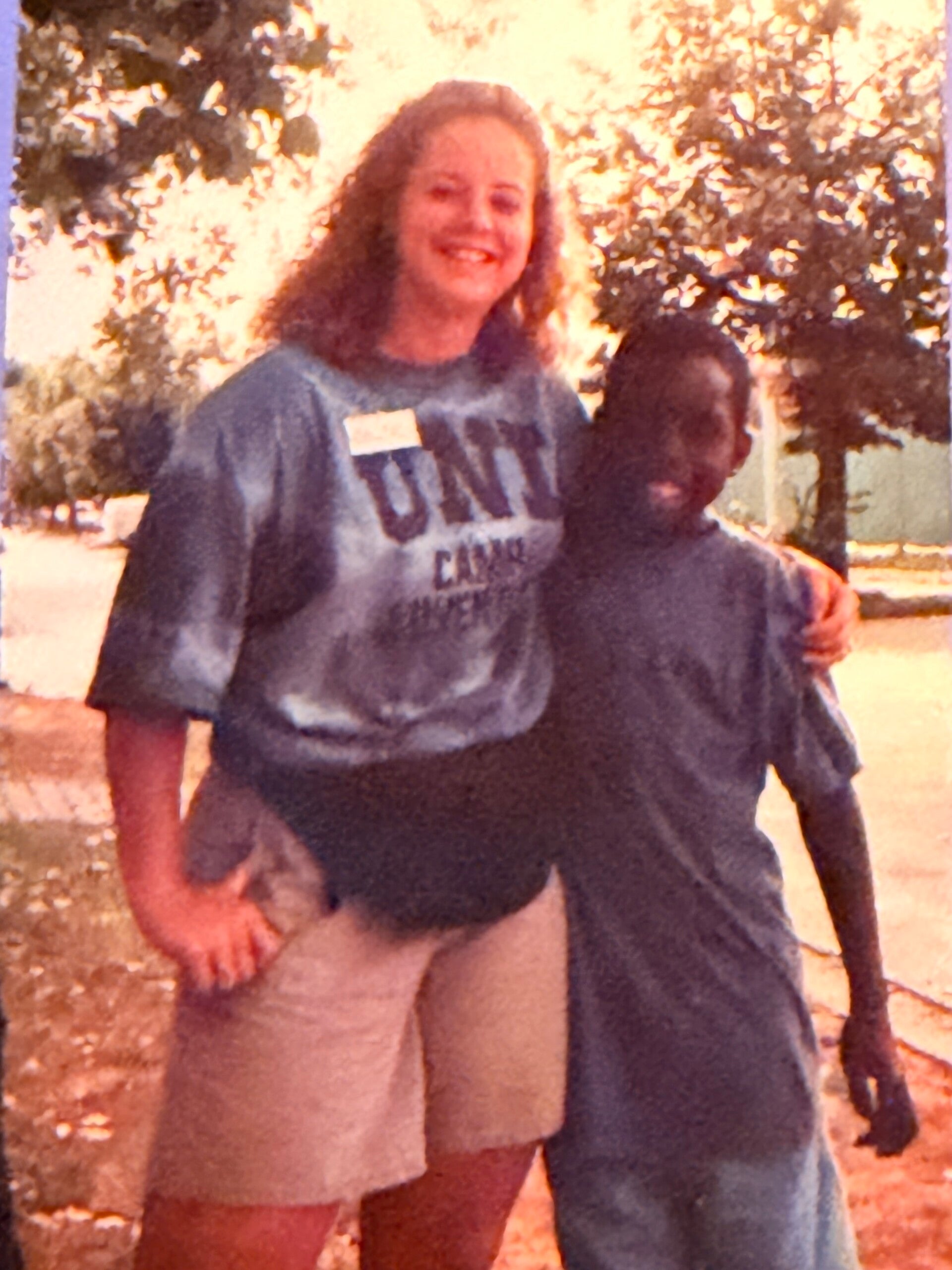
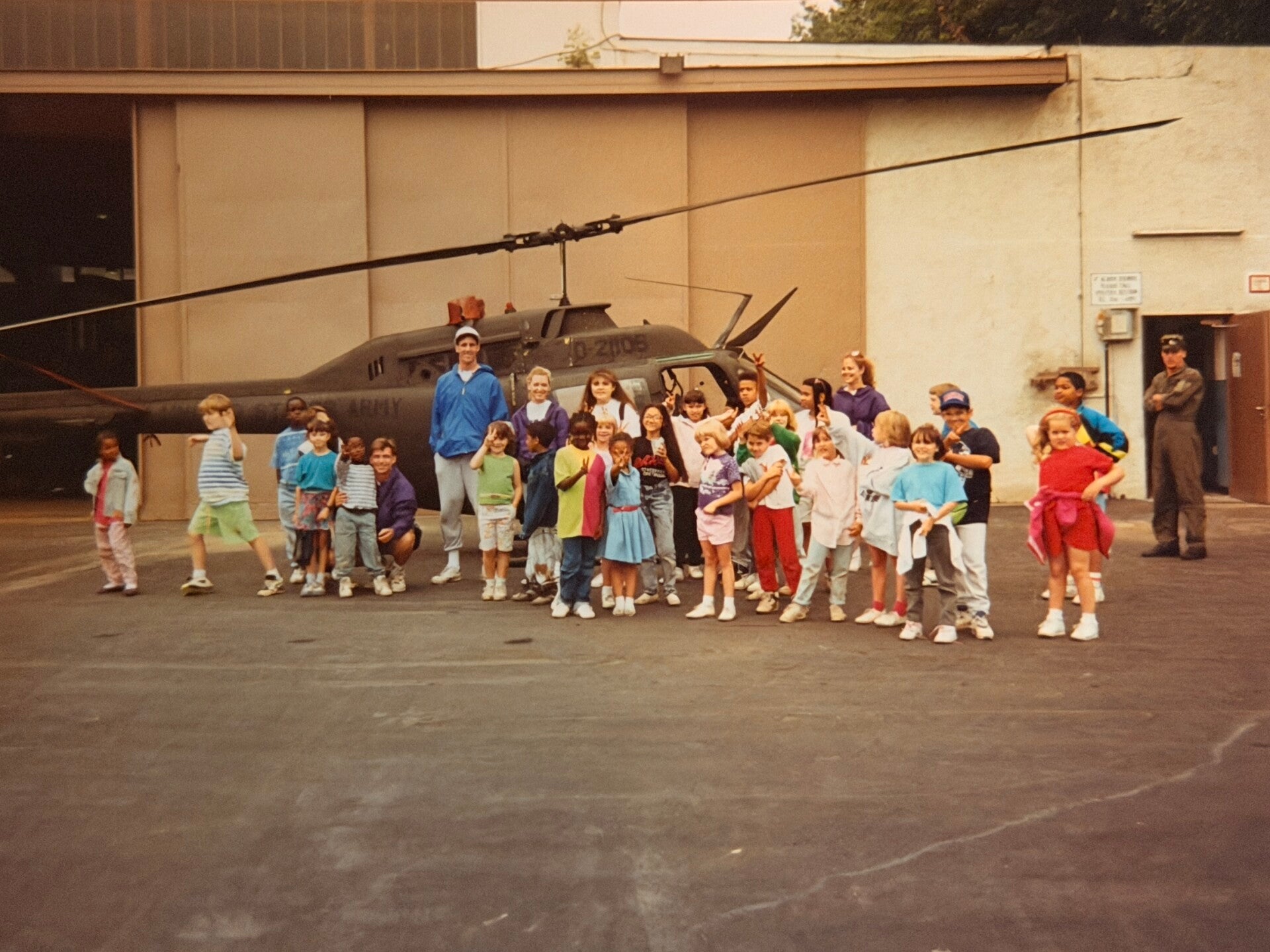
Camp Adventure contracted with U.S. military bases around the world to provide programs for military dependents—day camps, sports and recreation camps, aquatic camps, and more. When I signed up, I thought I was signing up for a summer job. I had no idea I was about to experience something that would completely change this Iowa farm girl’s view of the world.
We were able to request where we wanted to go, and somehow I randomly—and very luckily—ended up being chosen for Schweinfurt, Germany.
So there I was. Nineteen years old, a long way from the gravel roads and cornfields of Iowa, about to spend my summer living and working on U.S. Army posts in Germany. Ironically, I hadn’t completely escaped the cornfields—there were some right near Conn Army Post—apparently I hadn’t wandered quite as far from home as I thought.
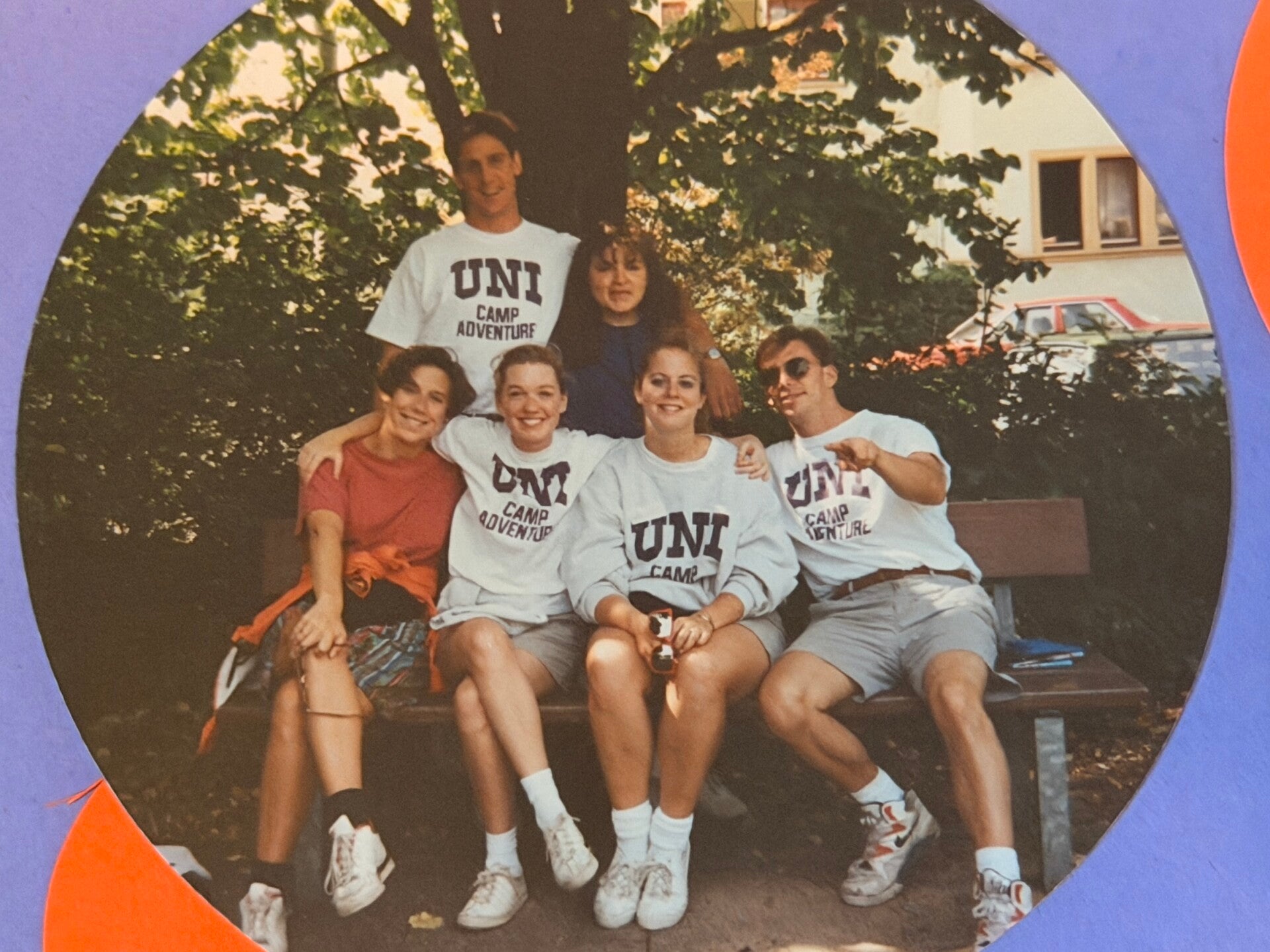
I lived on Conn Army Post and worked at Ledward Army Post, about two miles apart on the edge of Schweinfurt. I worked Monday through Friday, 8 to 5, alongside five other college students—two from Oregon, two from Washington, and one from Texas.
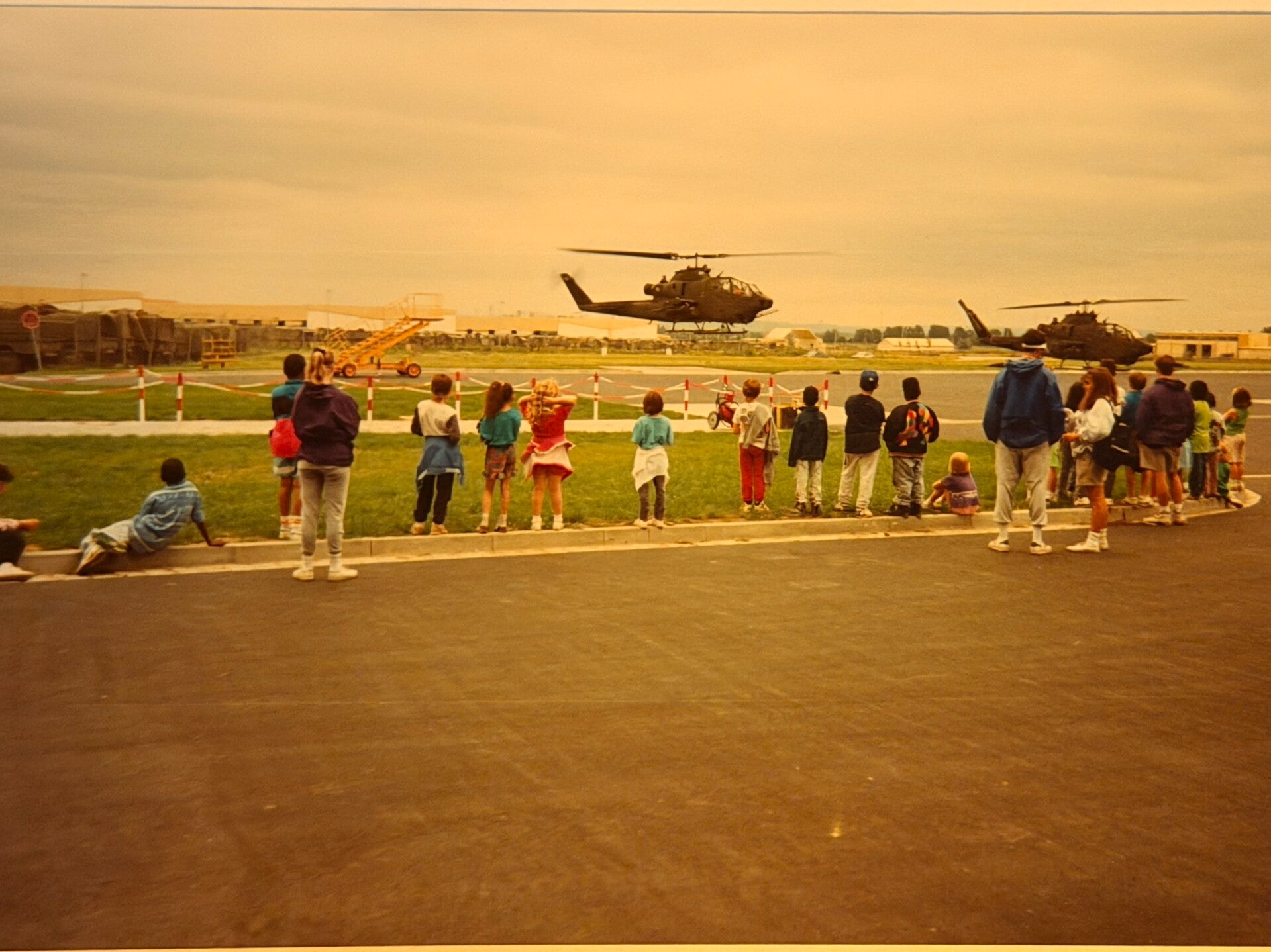
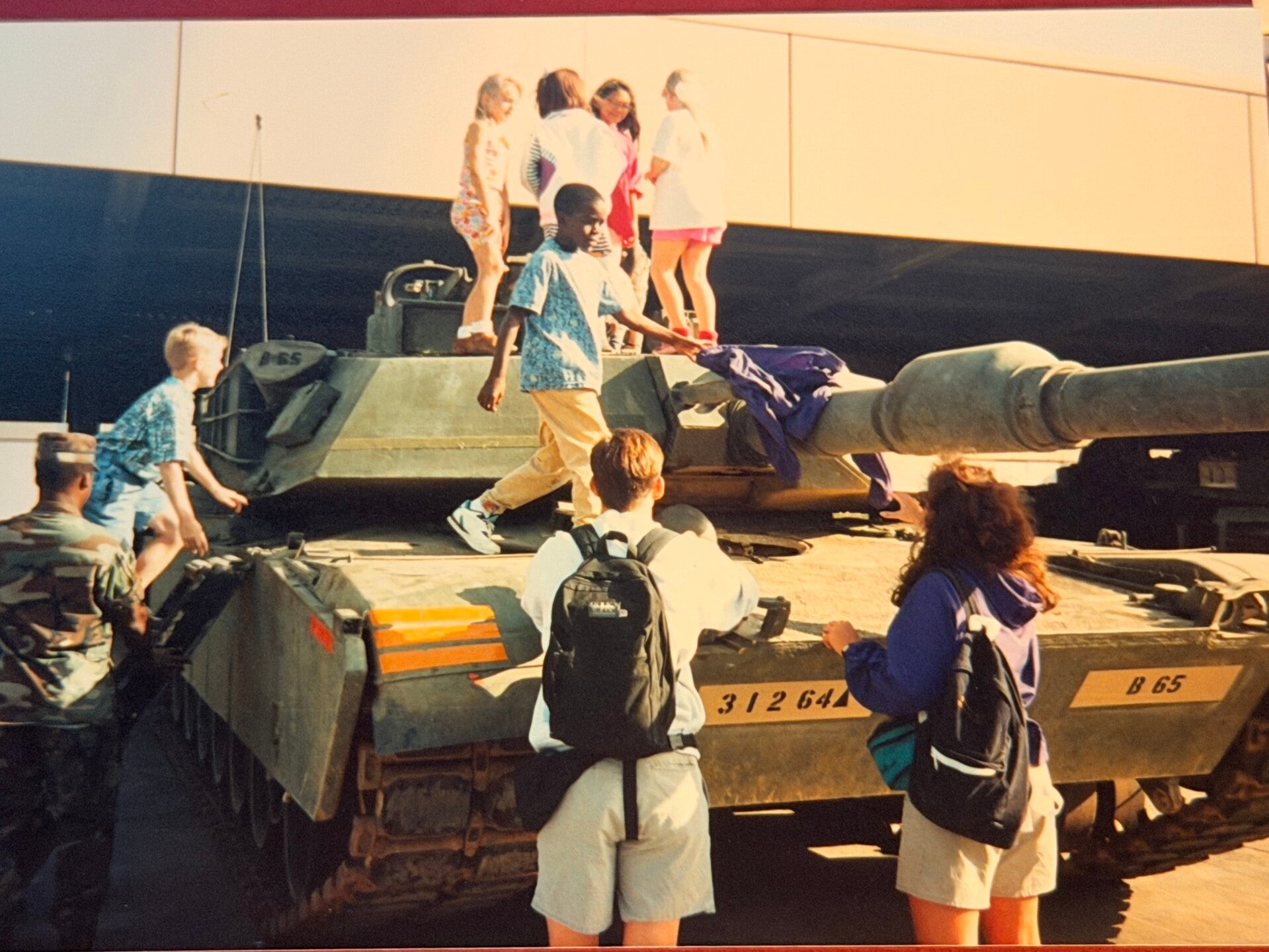
Living and working on an Army base was an experience in itself. I came home from that summer with a much deeper appreciation for my country and, especially, for the men and women who serve in our military. I was surrounded by military families every day, and I got a glimpse into a way of life that was completely different from anything I had known growing up in Iowa.
Then there was the history. I learned that Schweinfurt had played an important role during World War II because of its ball-bearing industry, which was critical to German military production. The city was heavily bombed by Allied forces during the war, and the places where I was now living and working had originally been German military installations.
For a nineteen-year-old who hadn't known much about the world beyond Iowa, suddenly I wasn't just reading history—I was living in the middle of it.
When 5:00 Friday rolled around? The world was ours to explore.

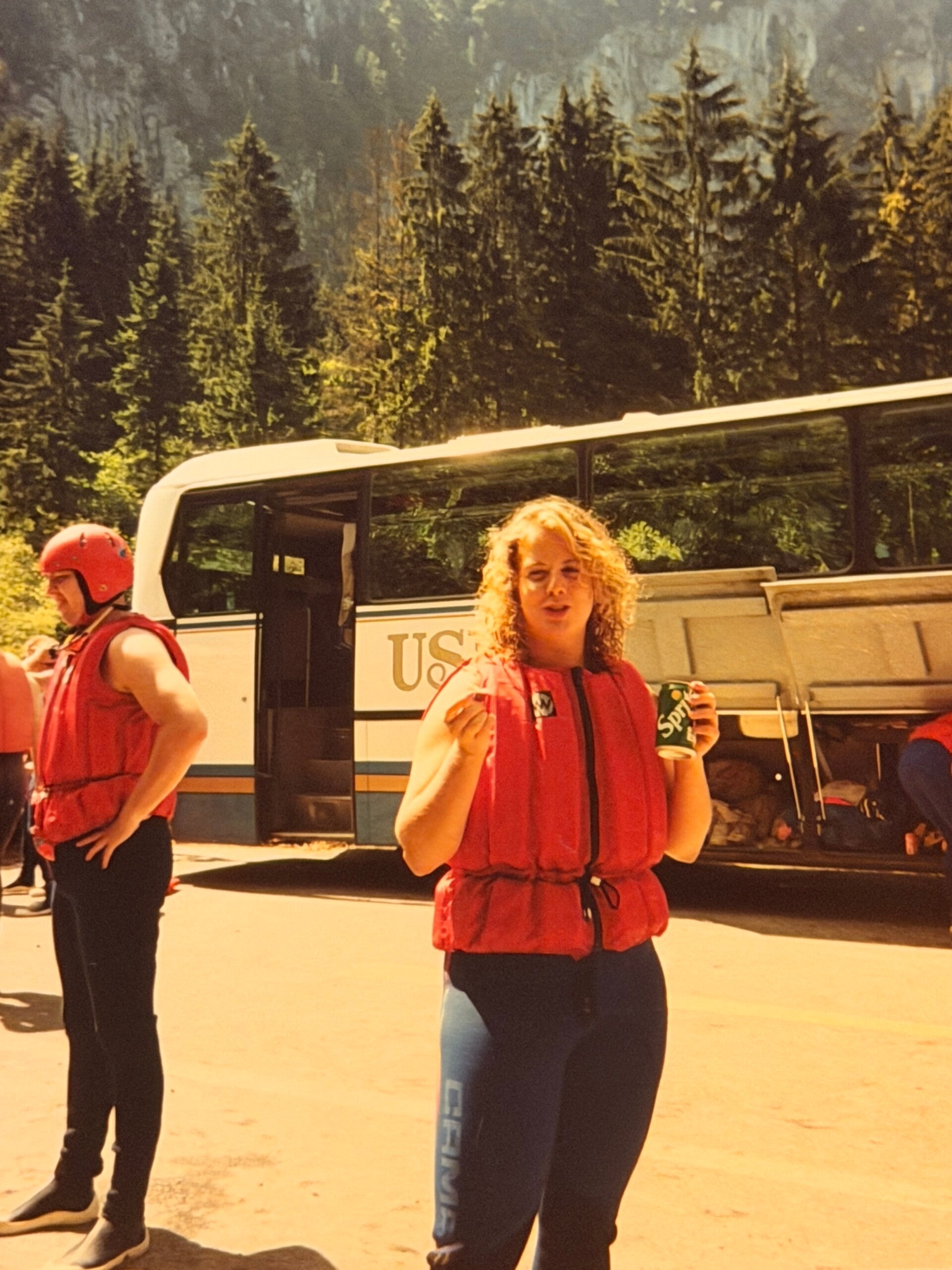
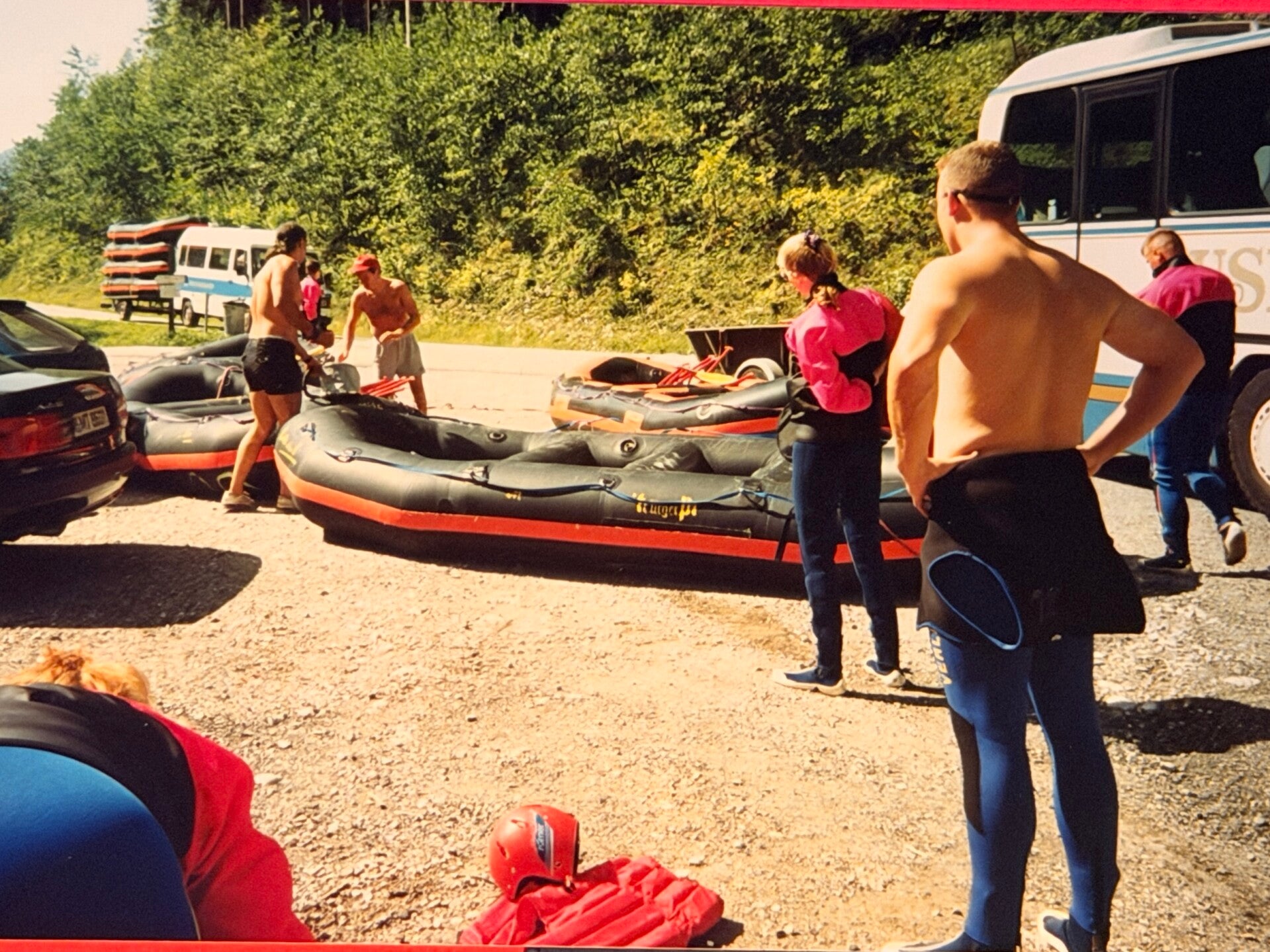
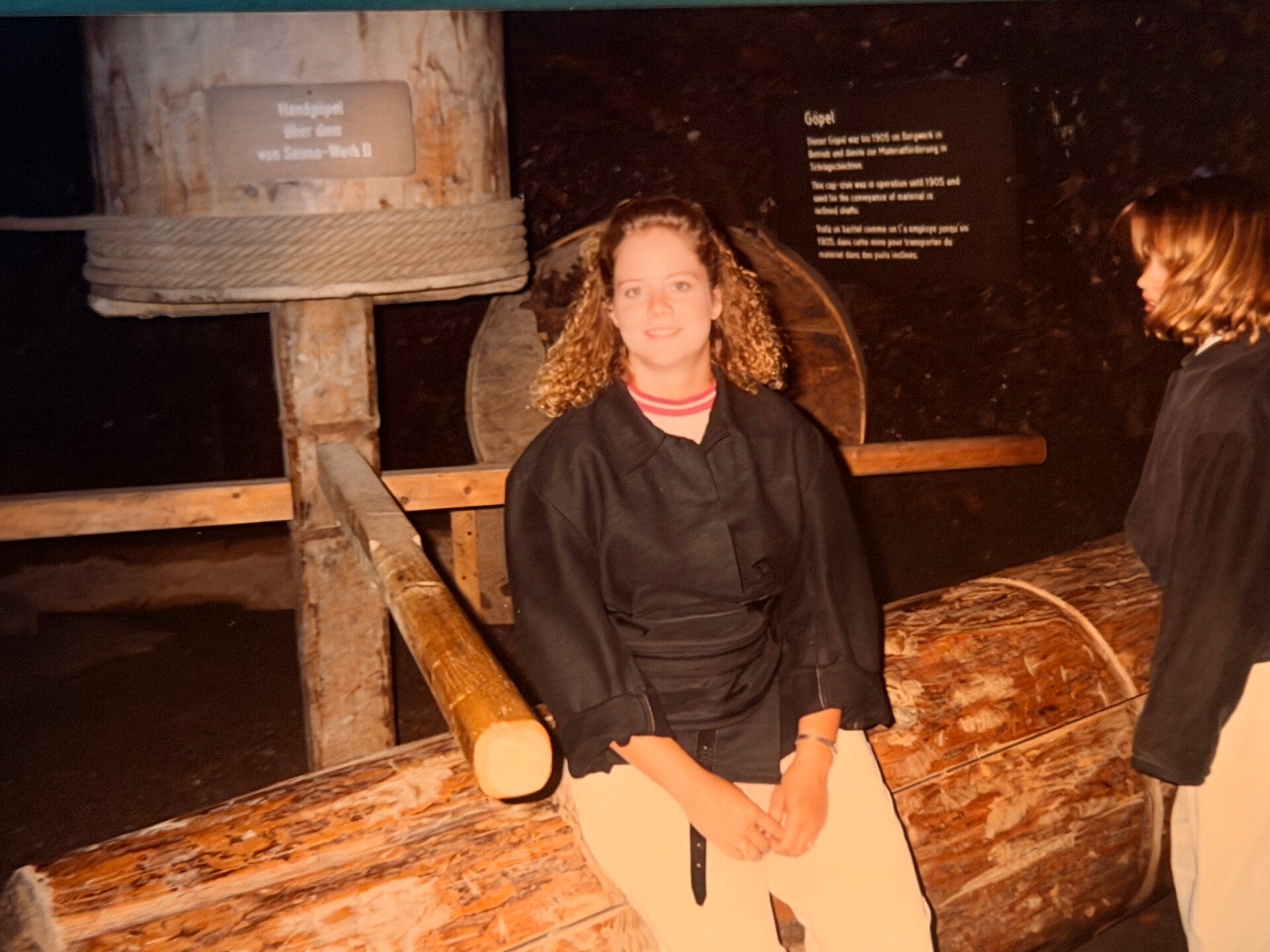
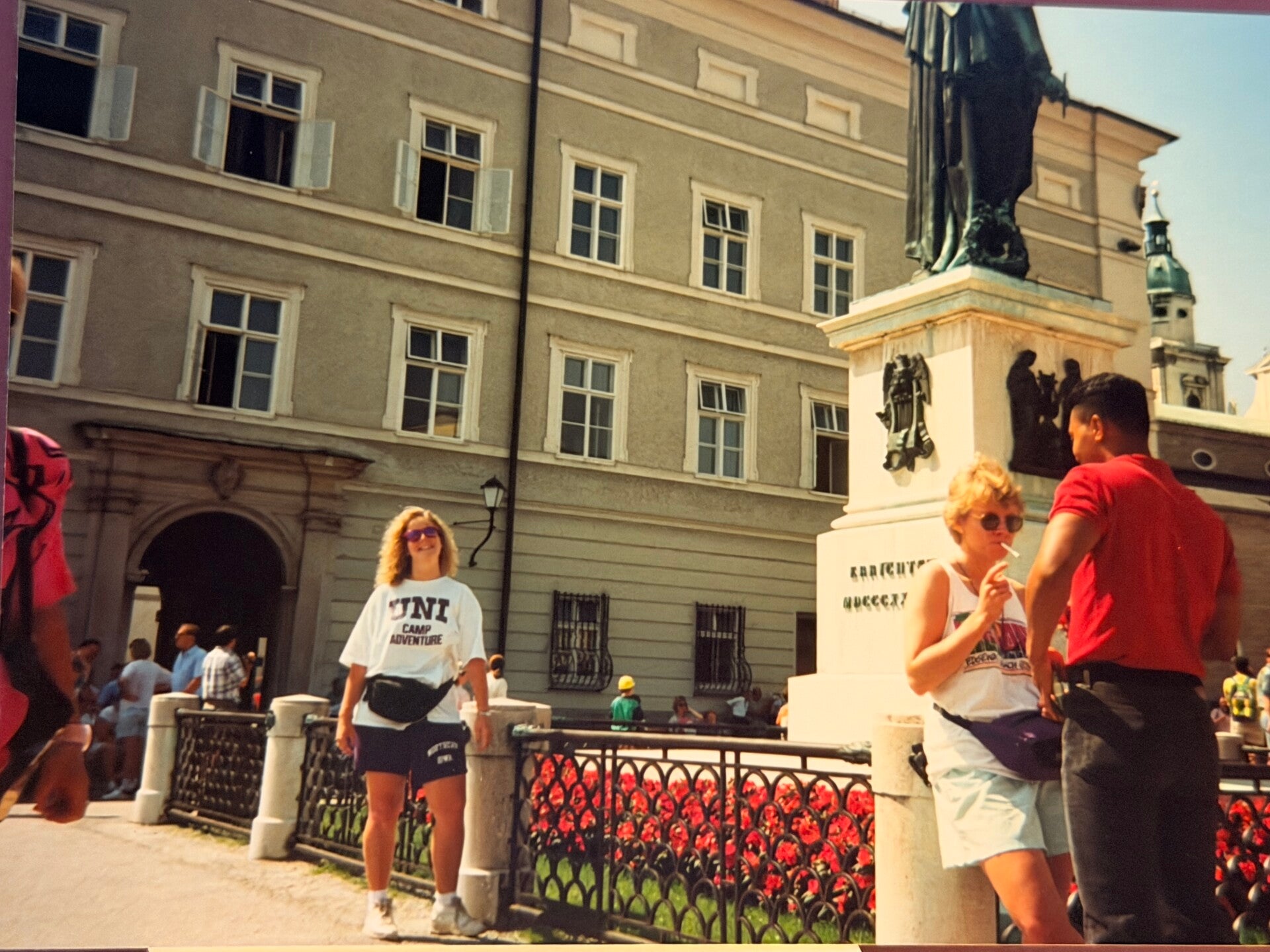
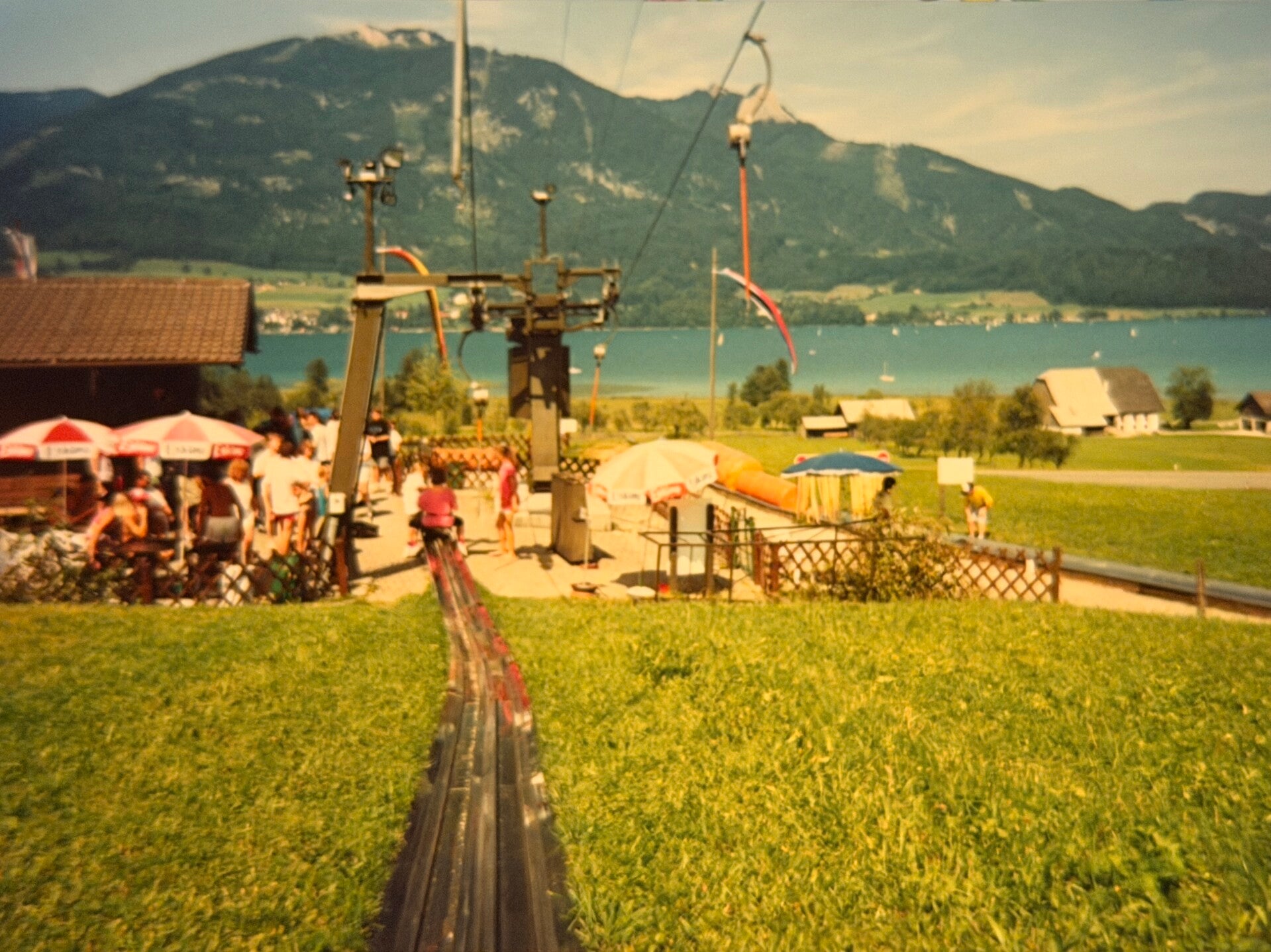
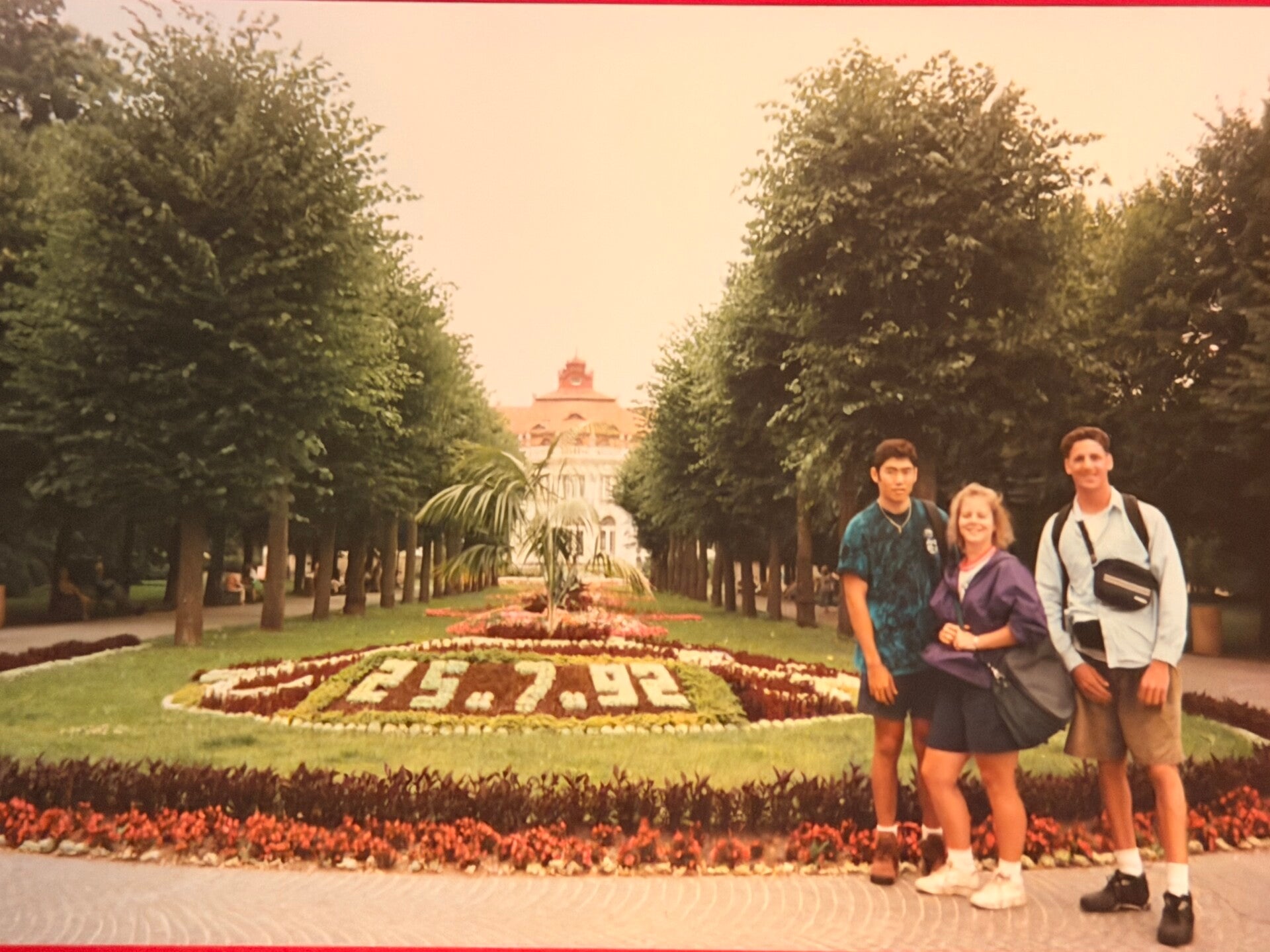
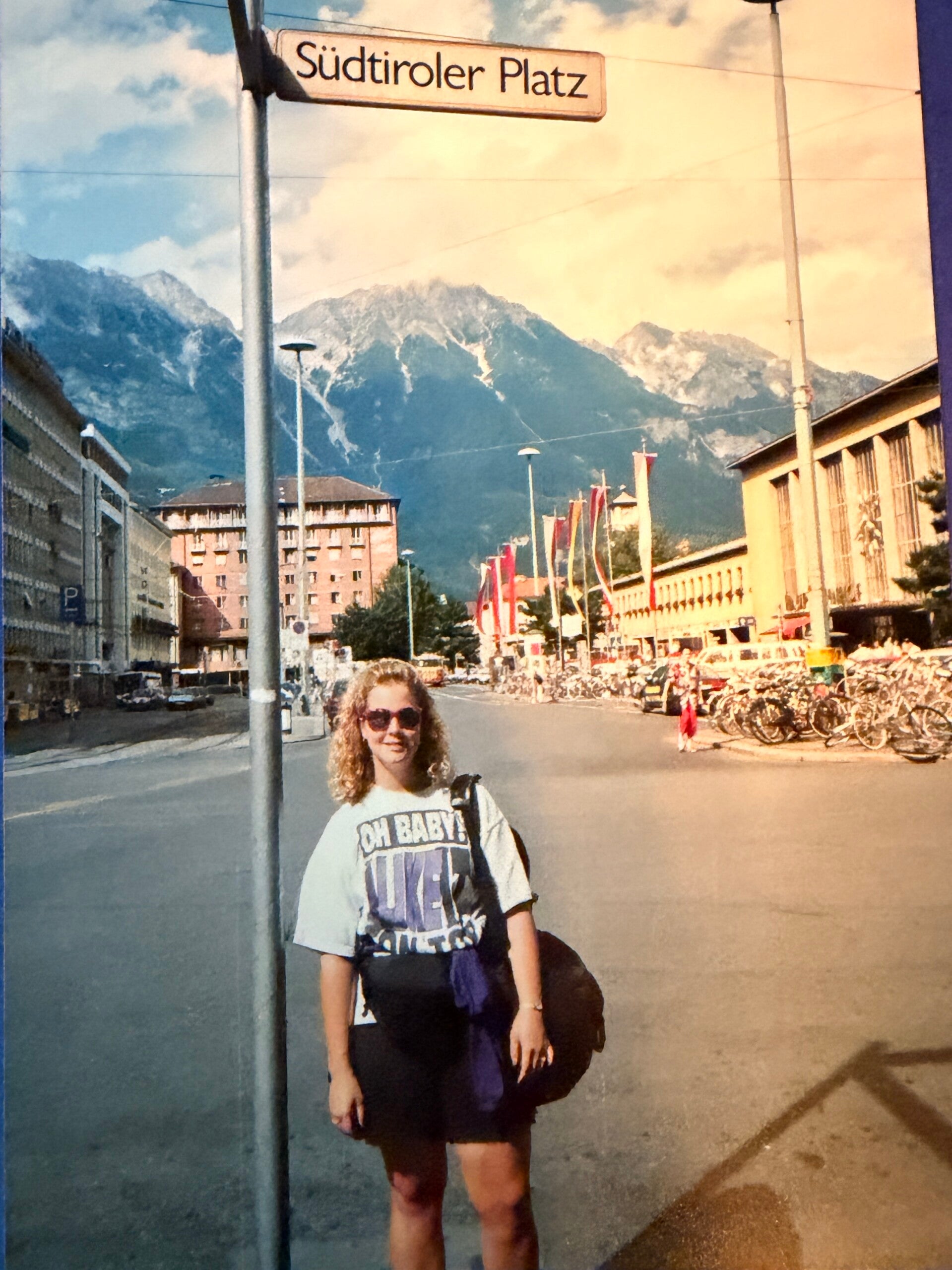
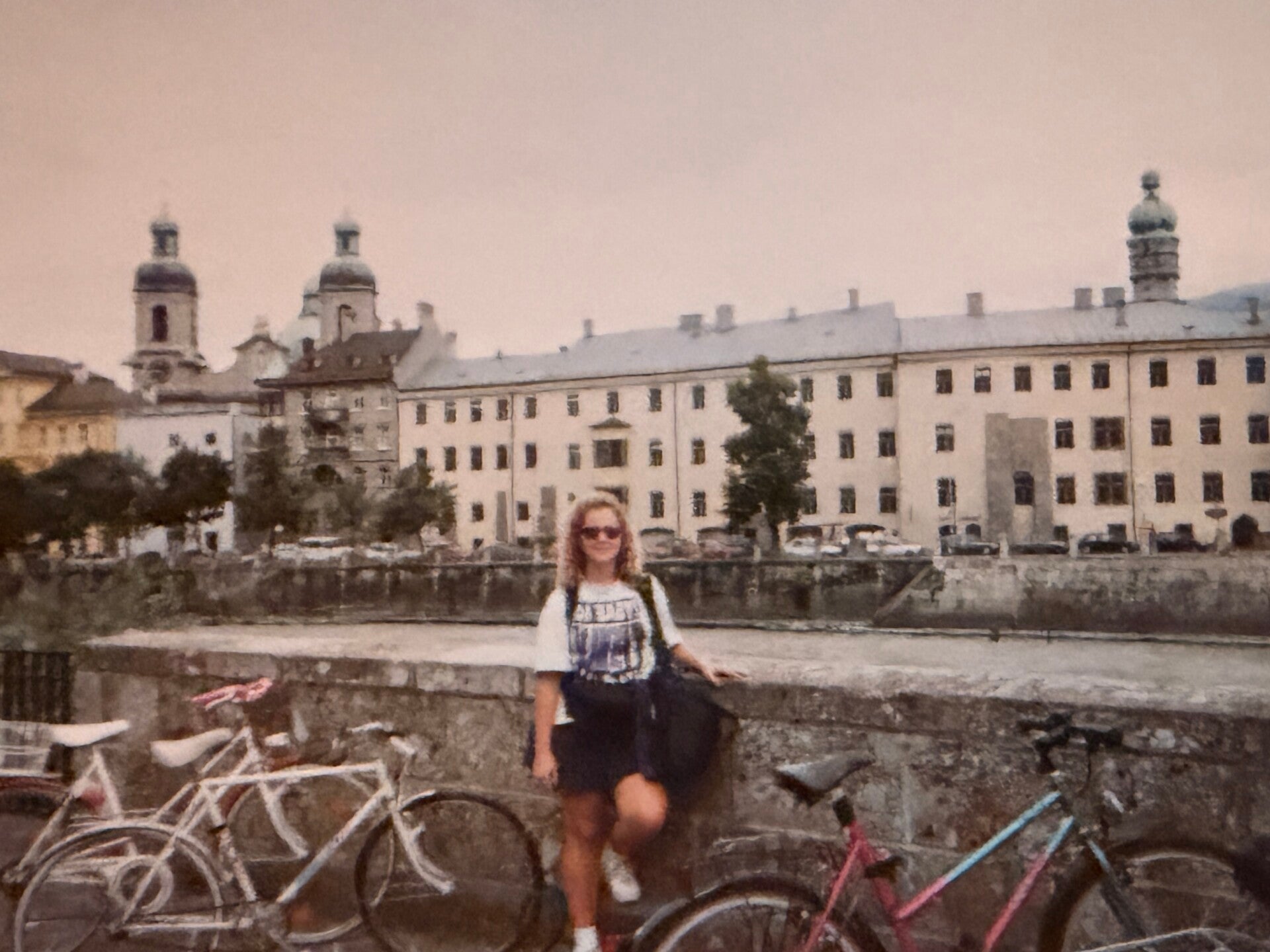
Our nights and weekends were free, and I took full advantage of them. I traveled with military families to Berchtesgaden, Germany; Salzburg and Innsbruck, Austria; and Karlovy Vary in what was then Czechoslovakia and is now the Czech Republic. I visited German cities and small towns throughout the summer, seeing as much as I possibly could.
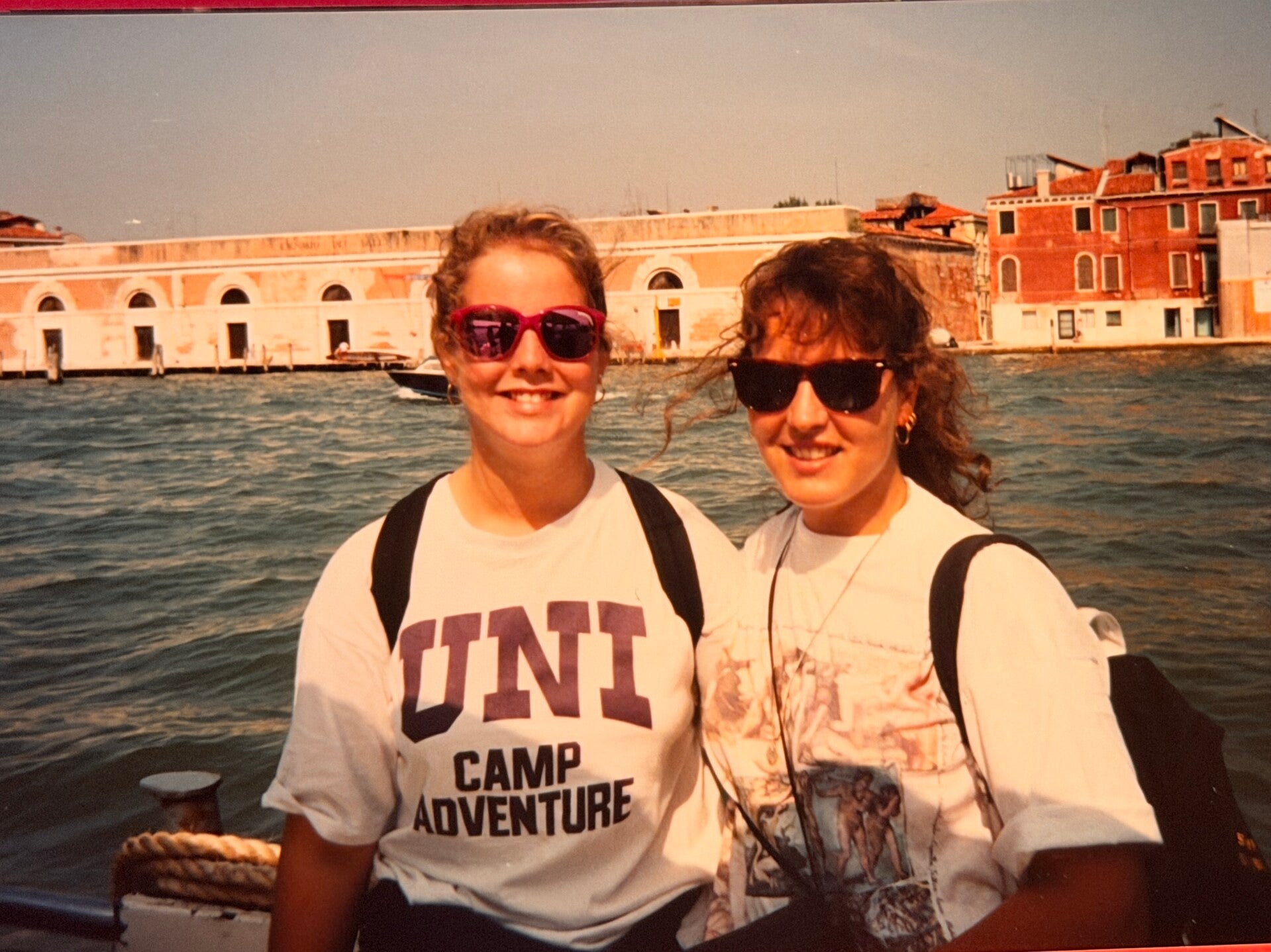
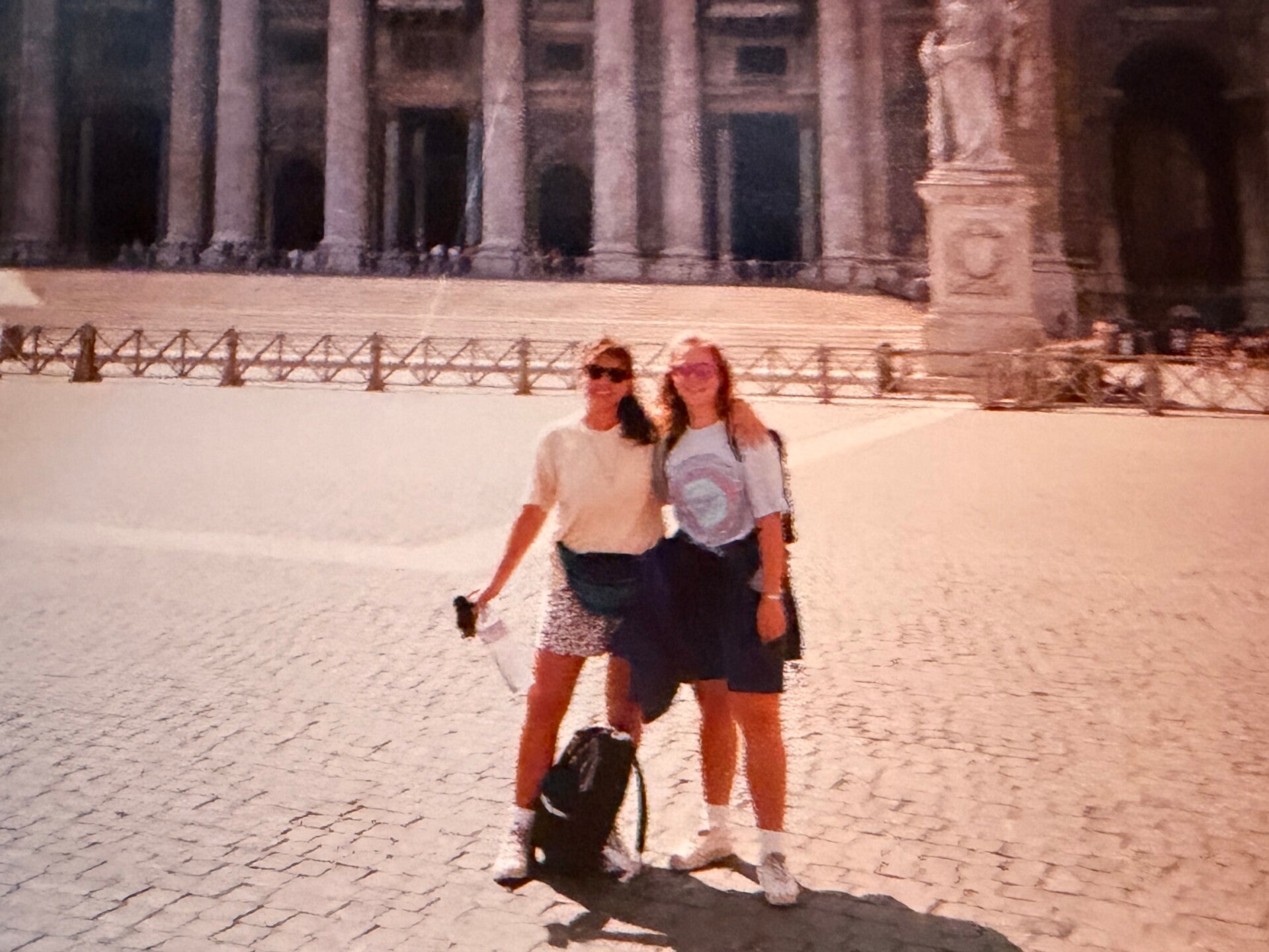
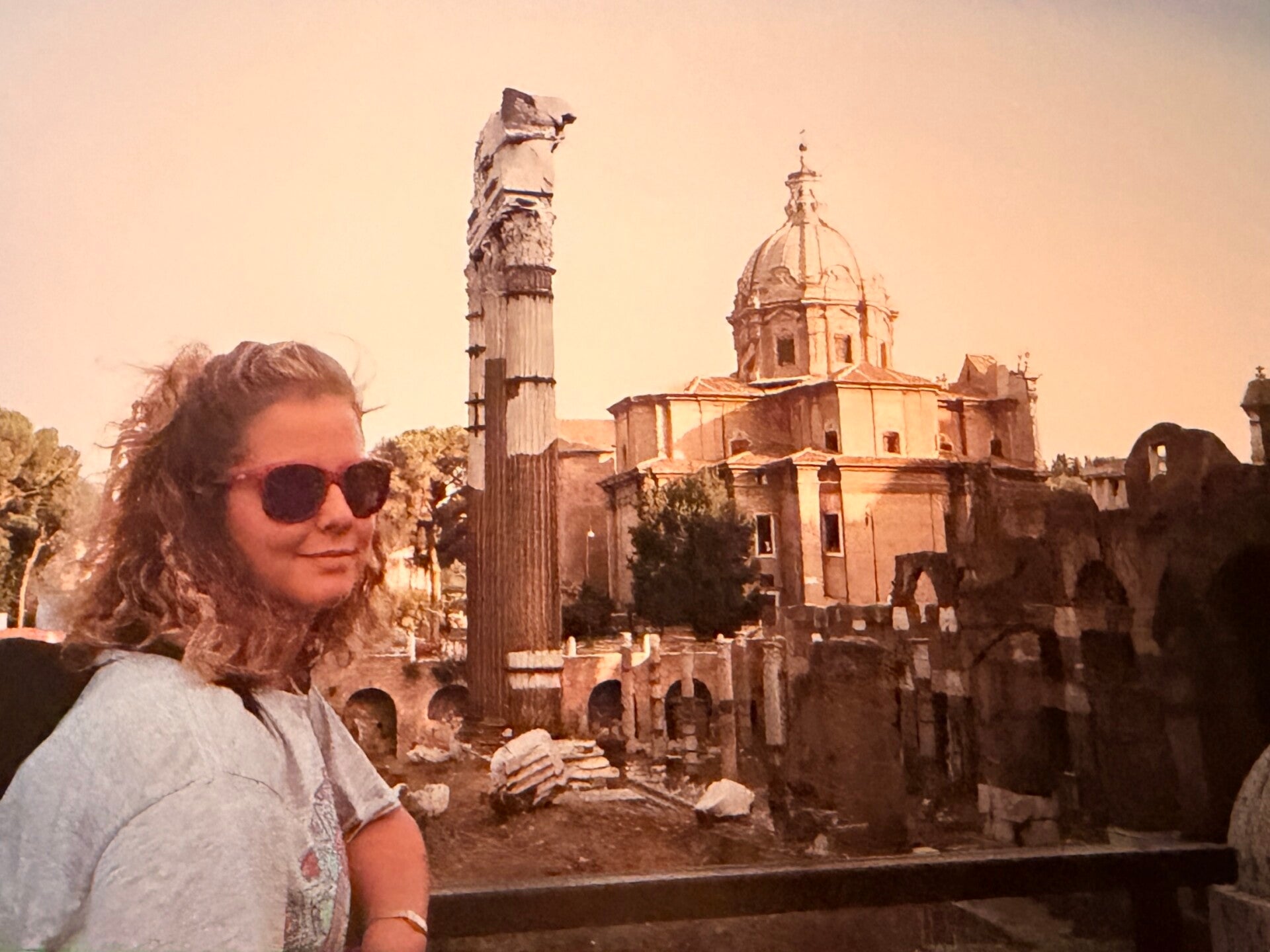
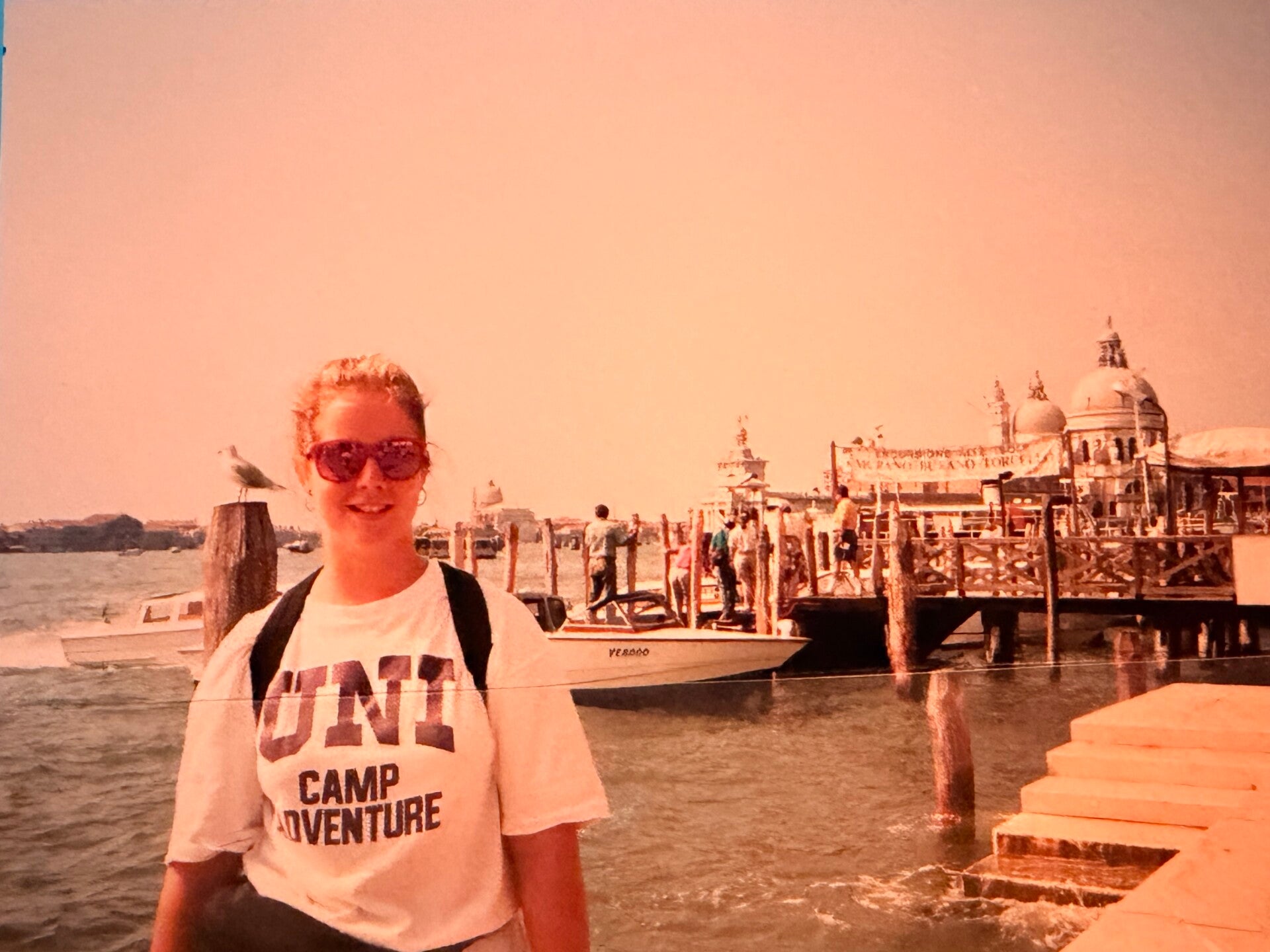
Then, at the end of the summer, one of my fellow Camp Adventure students and I headed to Italy.

Everywhere I went, there was something I'd never experienced before—different languages, different foods, different customs and centuries of history. I became fascinated by the architecture, especially the ornate Baroque buildings, and by the idea that some of the places I was walking through had stories stretching back hundreds—or even thousands—of years.
I had grown up surrounded by history of my own, but this felt completely different.
The world suddenly seemed enormous.
Instead of making me feel overwhelmed by how much of it there was...
I wanted to see more.
WHAT I BROUGHT HOME
When that summer ended, I came home to Iowa and went back to college. Eventually there would be work, marriage, kids, responsibilities, and all the things that come with building a life. Travel wouldn’t always be a priority, and there would be years when I didn’t do much of it at all.
Something had changed.
That nineteen-year-old farm girl who left Iowa for a summer job came home knowing just how much world existed beyond the one she knew.
Germany gave me my first taste of different cultures, languages, food, architecture, and history. It taught me that getting a little outside of what was familiar could be exciting instead of scary. Most importantly, it left me curious. I wanted to see more. It would take me a while to really start traveling again, but that feeling never completely went away.
I still love gravel roads, cornfields, small towns, friendly neighbors, and the place that made me who I am. Traveling has never been about wanting to get away from where I came from. It’s about wanting to see what else is out there—and then coming home with a little more of the world in me than when I left.
I’ll always be an Iowa farm girl.
I just happen to be one with a passport, a very long list of places left to see, and a pretty big world waiting for me.
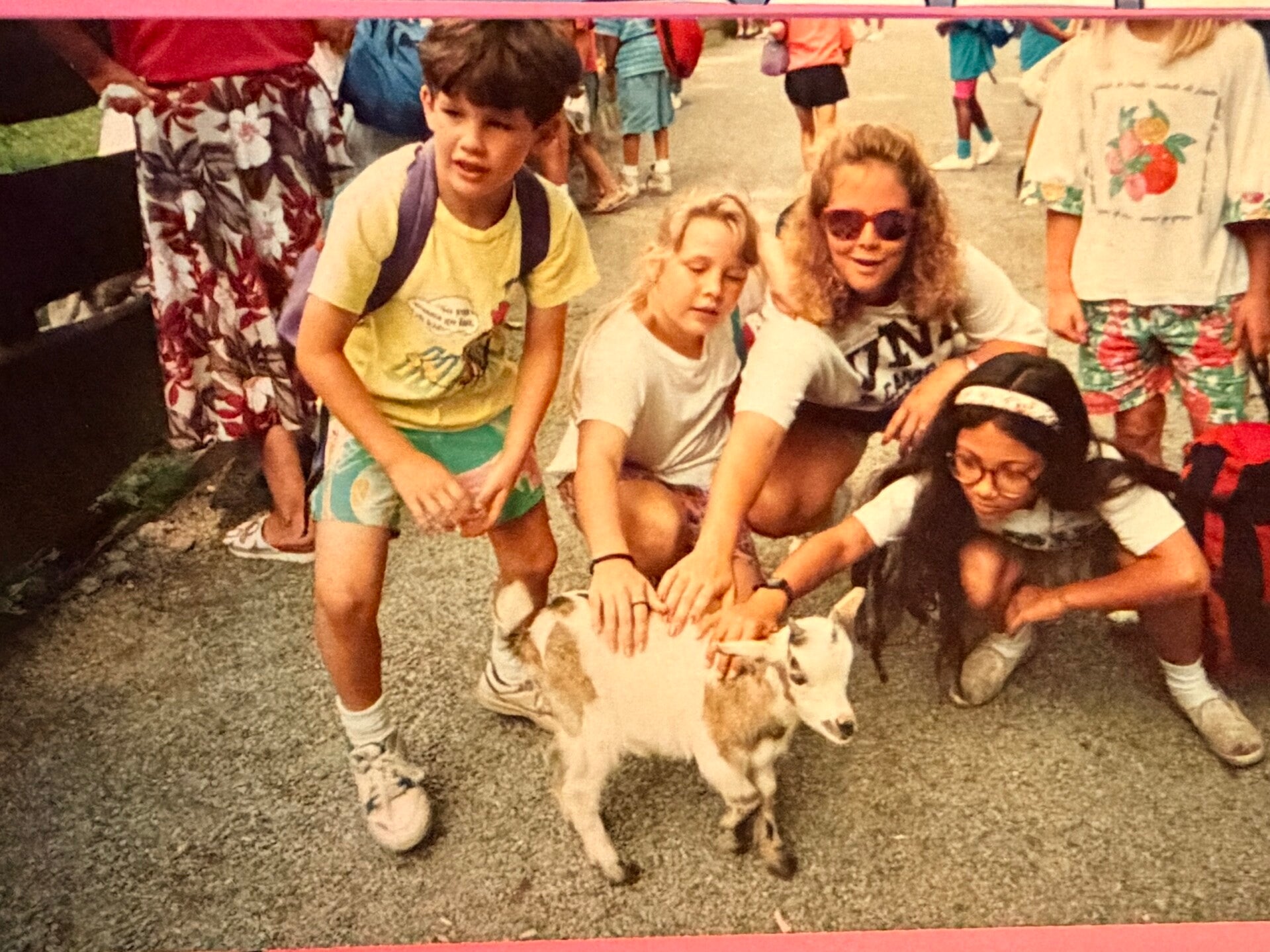
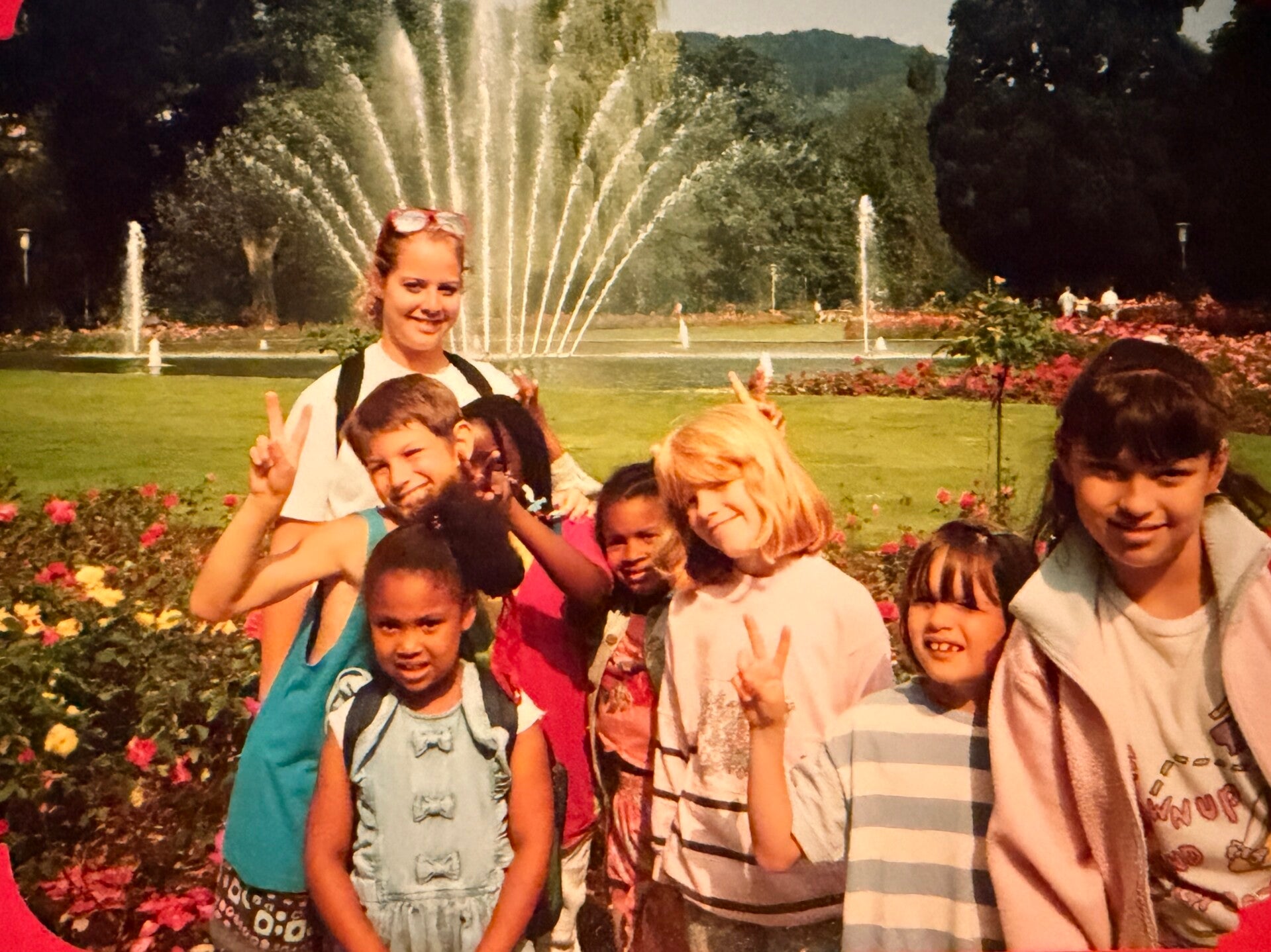
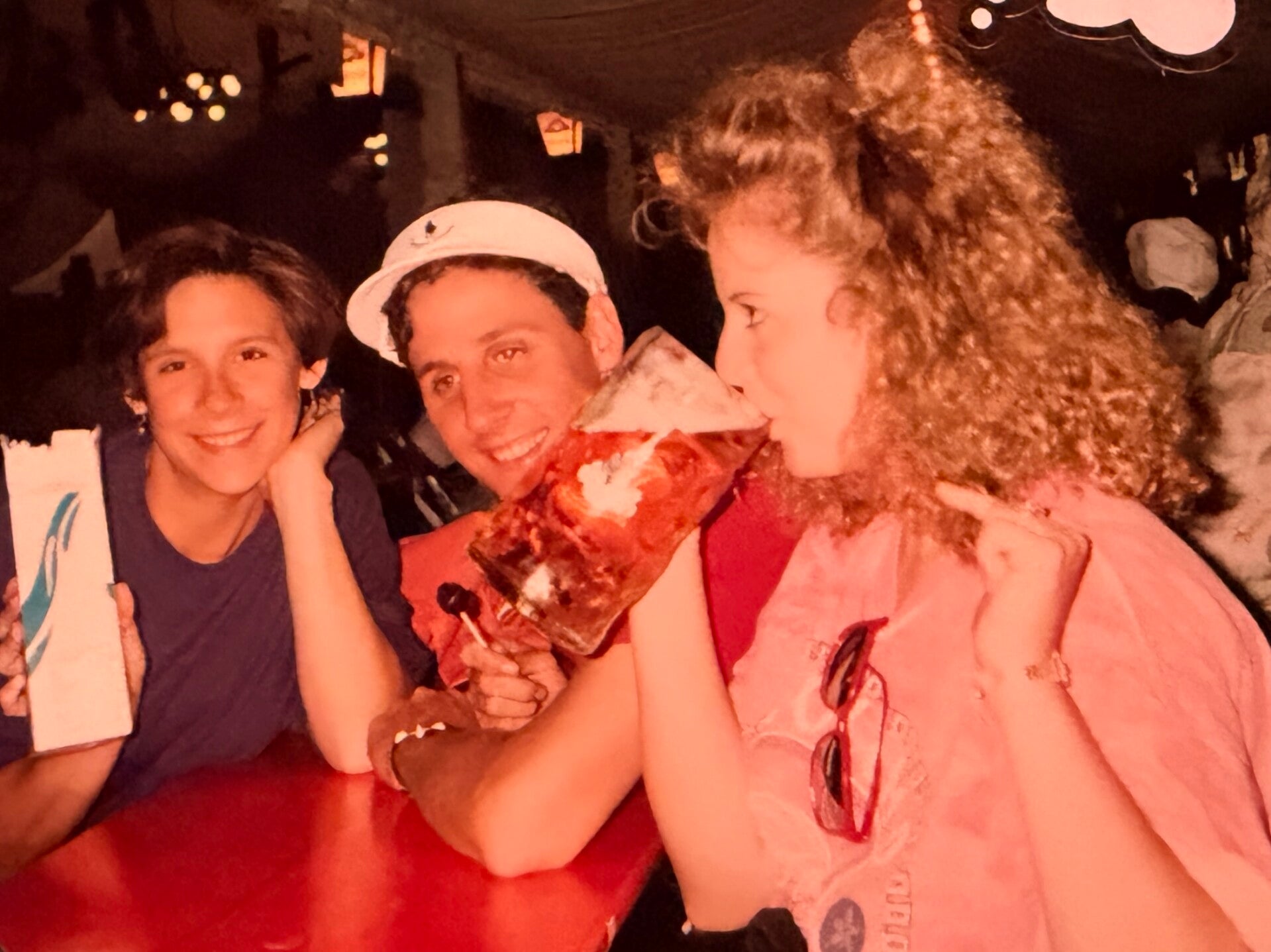
Vintage Travel - 1992
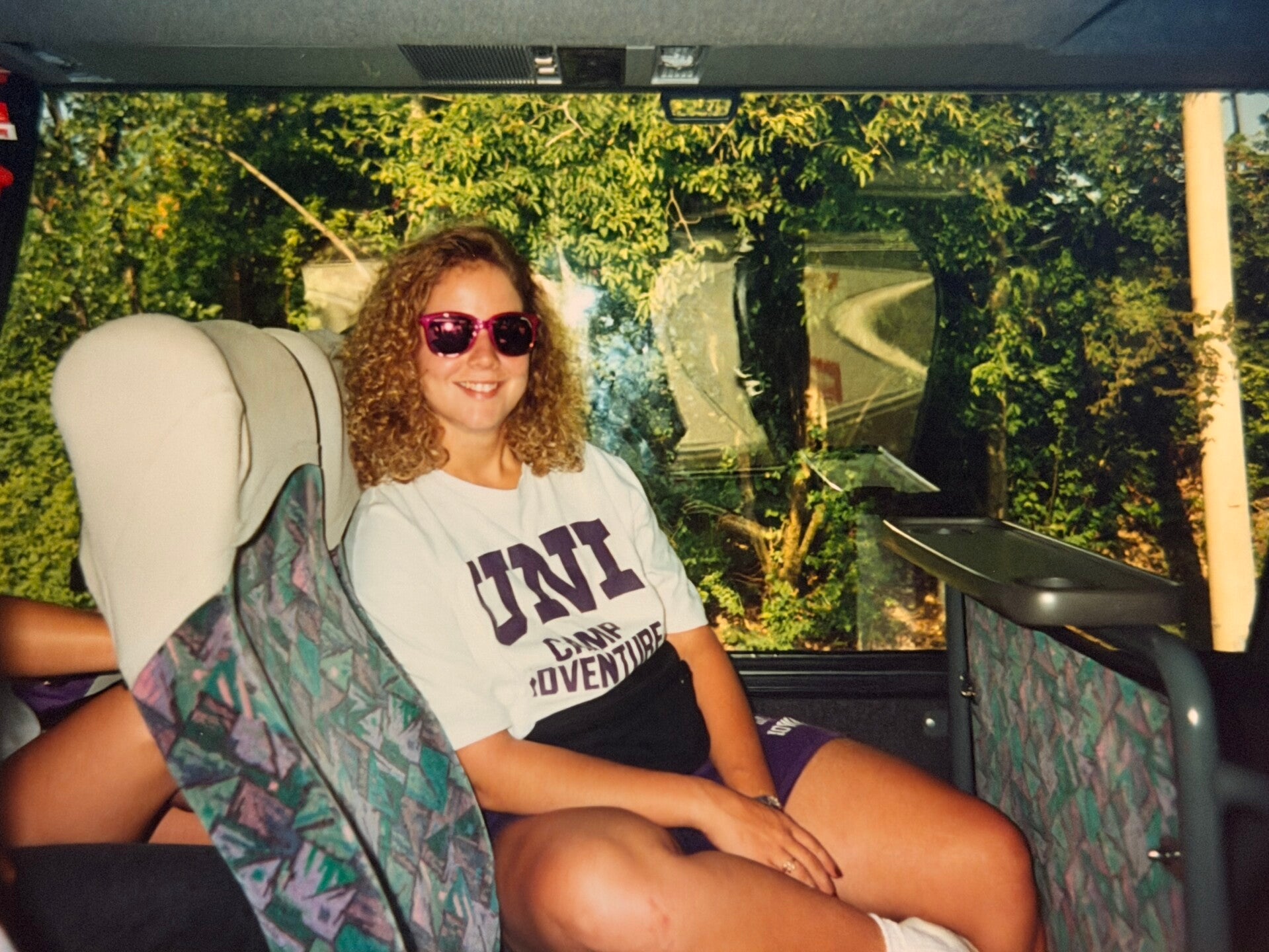
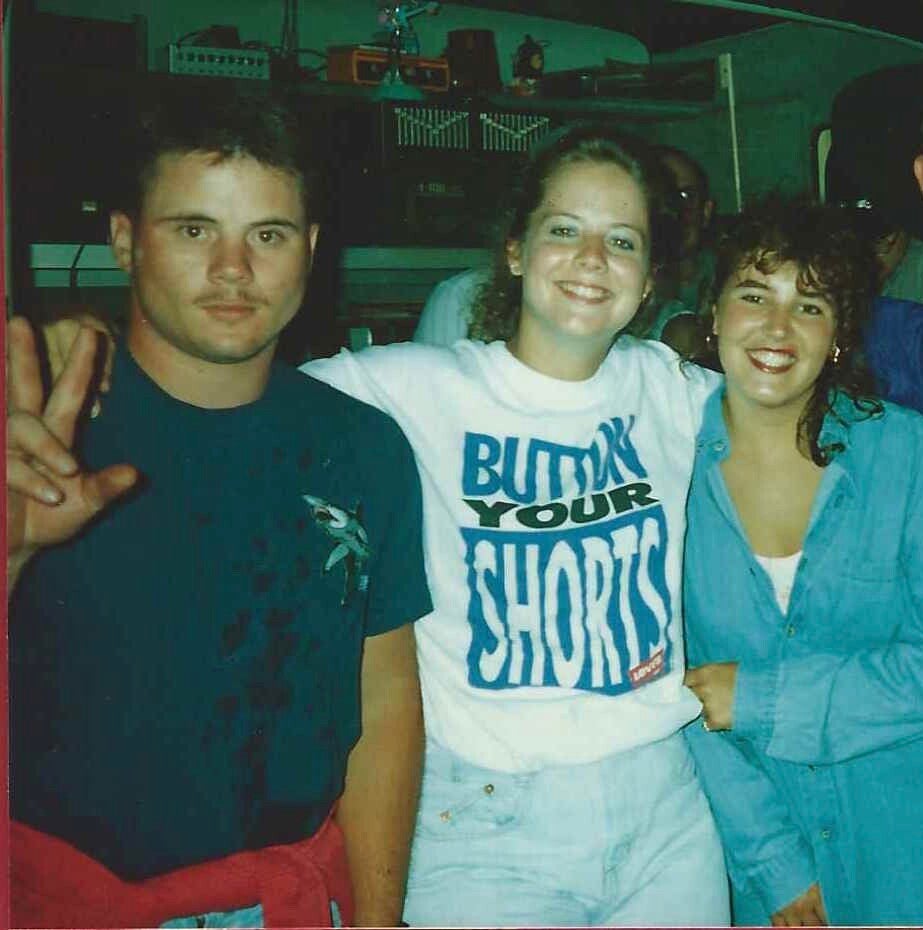
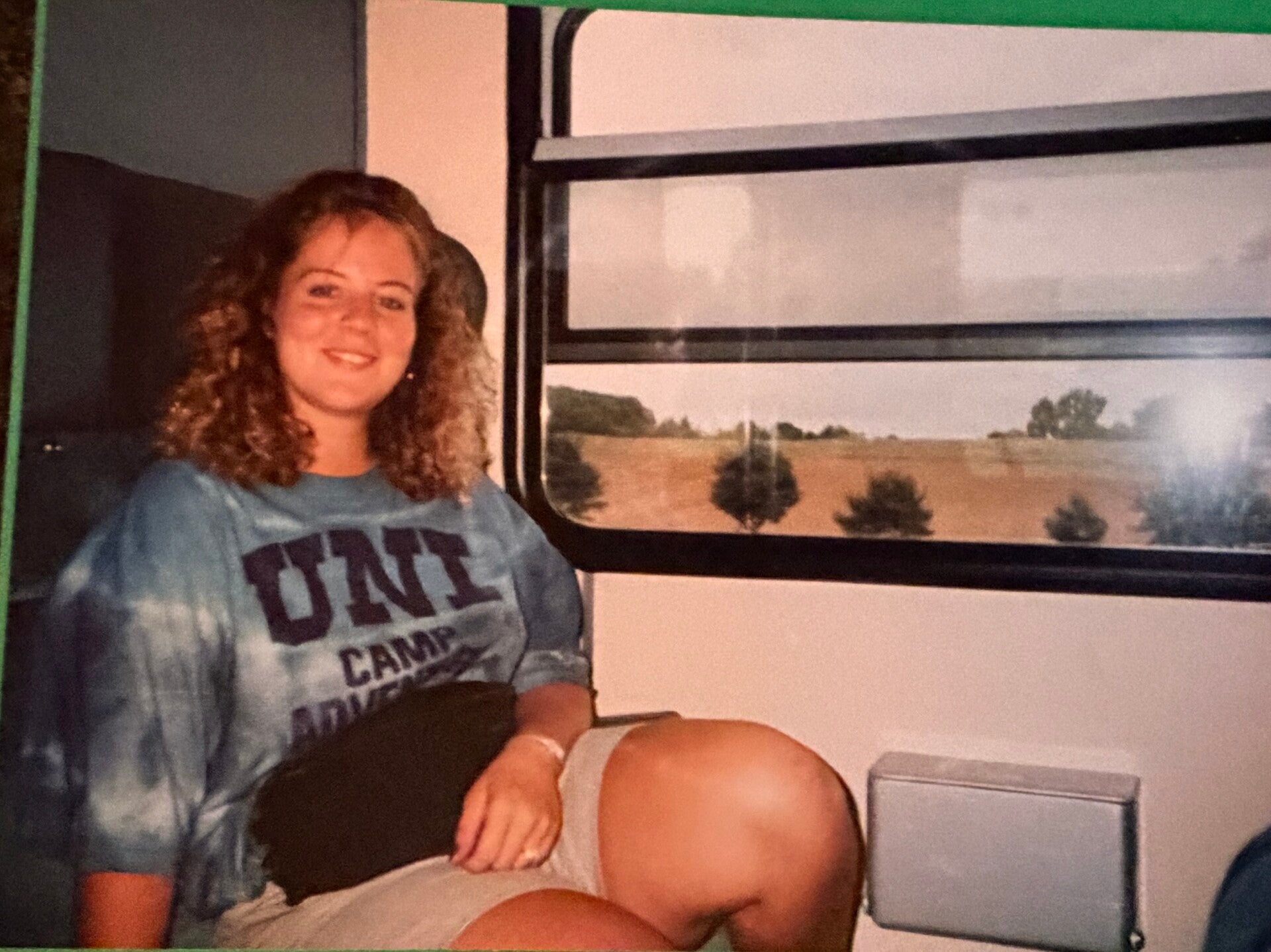
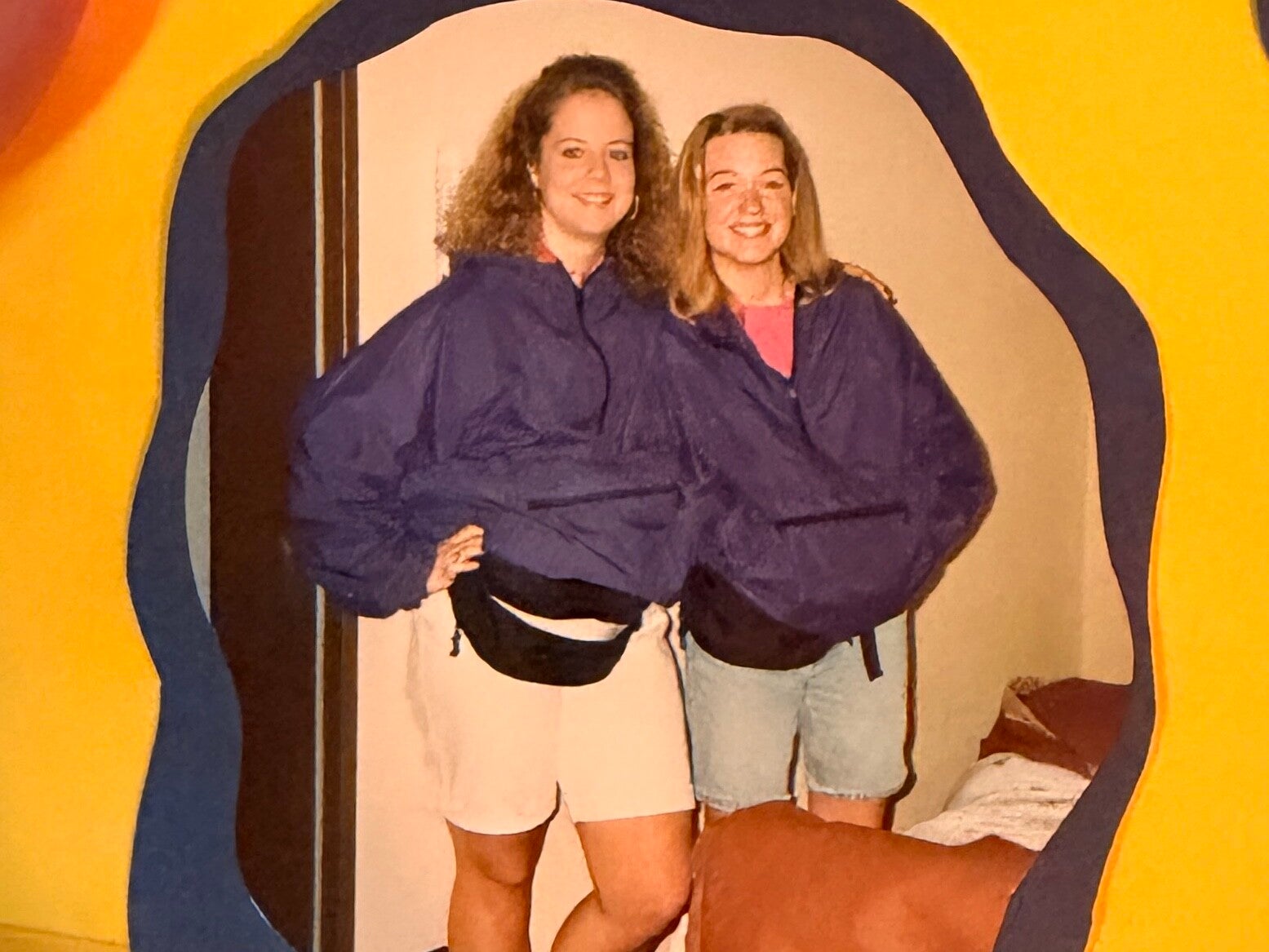
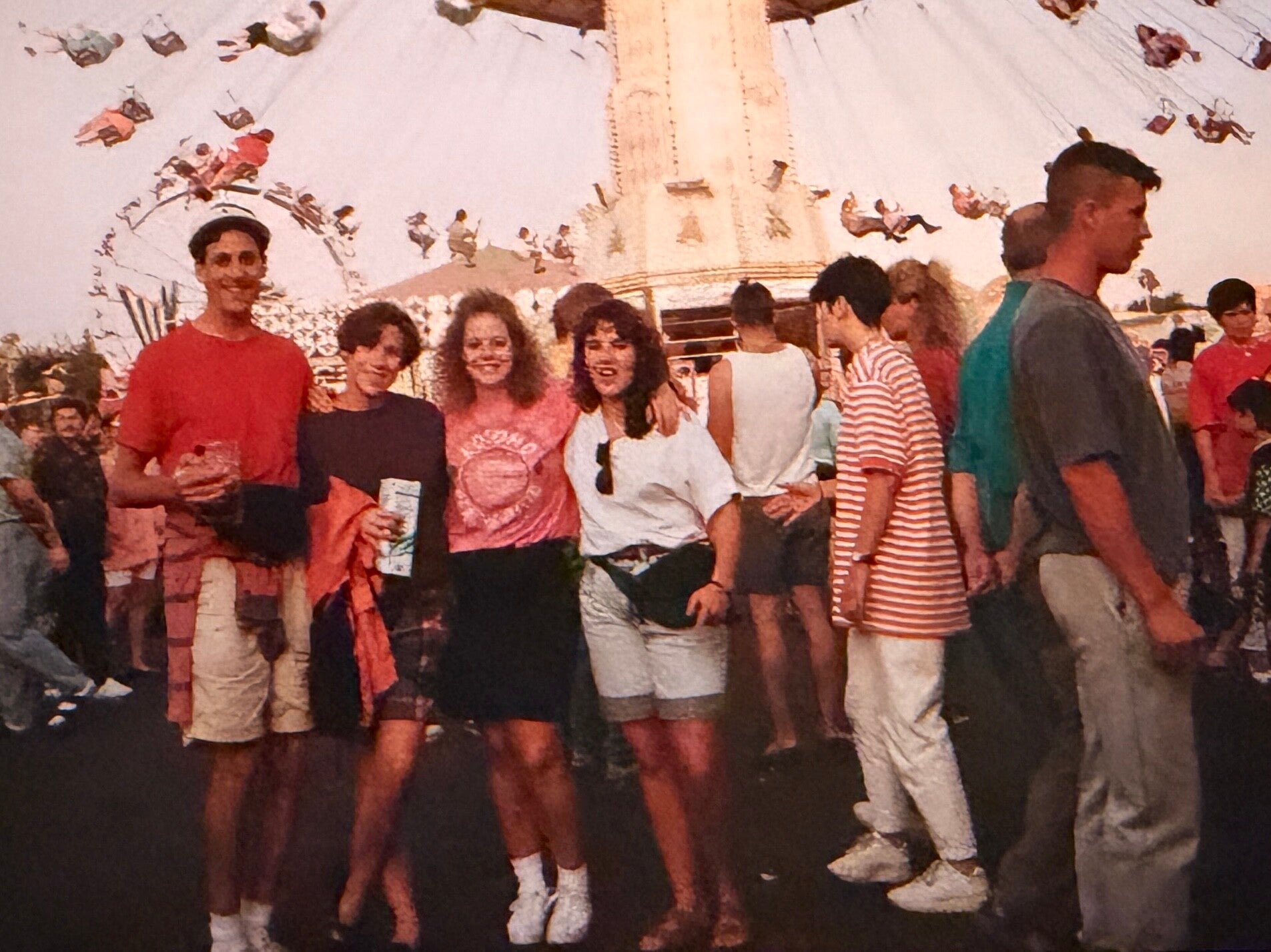
Blurry photos, questionable 1992 fashion, and not a smartphone in sight—but these photos captured the summer that changed the way I saw the world.
MORE FROM THE JOURNAL

There will always be a reason to wait.
Time. Money. Work. Family. Life. I've learned that sometimes you have to stop waiting for the perfect time and simply decide to go.

The places matter. But so do the people standing beside you.
Some of my favorite travel memories aren't really about where we were at all.